|   | Shou el akhbar—Saturday morning, and Lebanon's giving you a lot to sit with over your coffee. Exams are being rewritten for 42,000 students, 608 square kilometers of Lebanese land sits under what analysts are calling a 'yellow line,' and the government is cutting checks to over 6,000 families in the south trying to hold their ground. Heavy stuff—but we break it all down. |
|
| | Lebanon Cancels Brevet Exams, Overhauls Secondary Testing for War-Affected Students
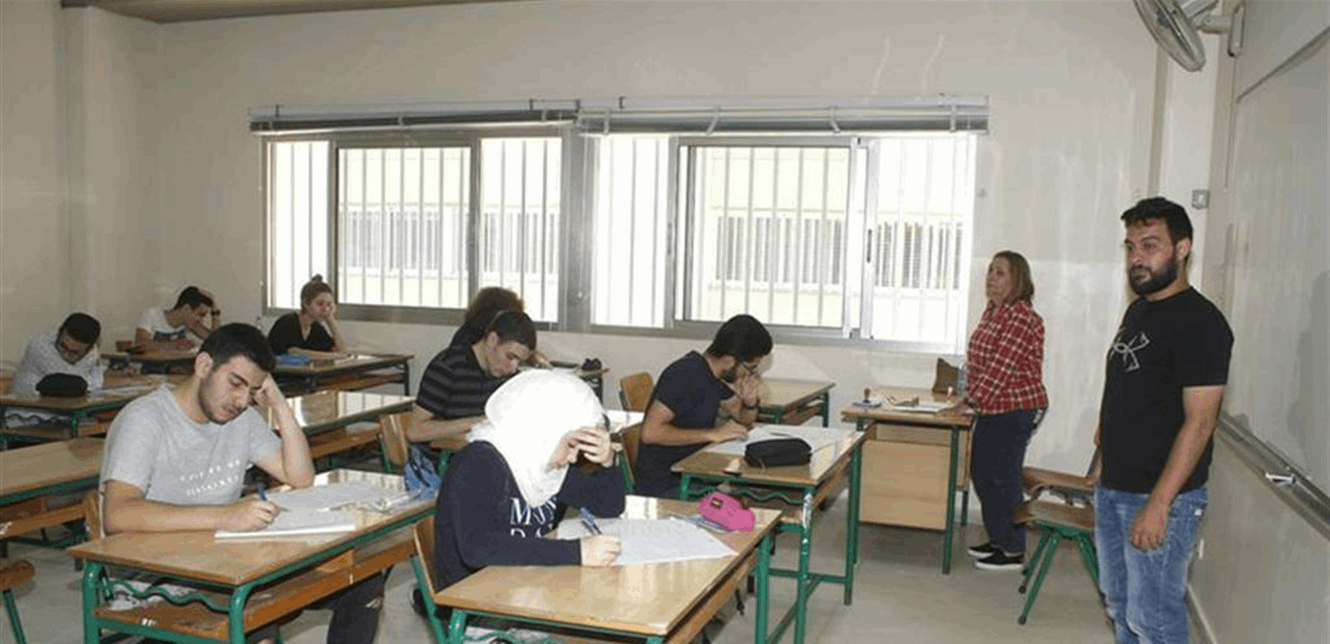
- Minister of Education Rima Karami officially canceled the intermediate certificate (brevet) exams nationwide, replacing them with school-administered final exams covering the official curriculum, set to begin June 15 depending on each school's situation.
- 42,000 general secondary students are affected; the ministry classified schools into those directly hit by war and those in less-affected areas, with more than 90% of students having continued lessons in-person or remotely.
- Secondary exams will run across 3 consecutive sessions, with each student eligible for 2 sessions, and an electronic mechanism allowing displaced students to sit exams near where they're sheltering.
- History, geography, and national education curricula will see the deepest cuts; no optional subjects will remain, and sample questions will be distributed before the first session begins.
Why it matters: With tens of thousands of students displaced and schooling badly disrupted by the ongoing conflict, how Lebanon grades this generation will shape their academic futures and the credibility of its official certificates for years to come. Lebanon's Map Is Shrinking—And So Is Its Social Fabric
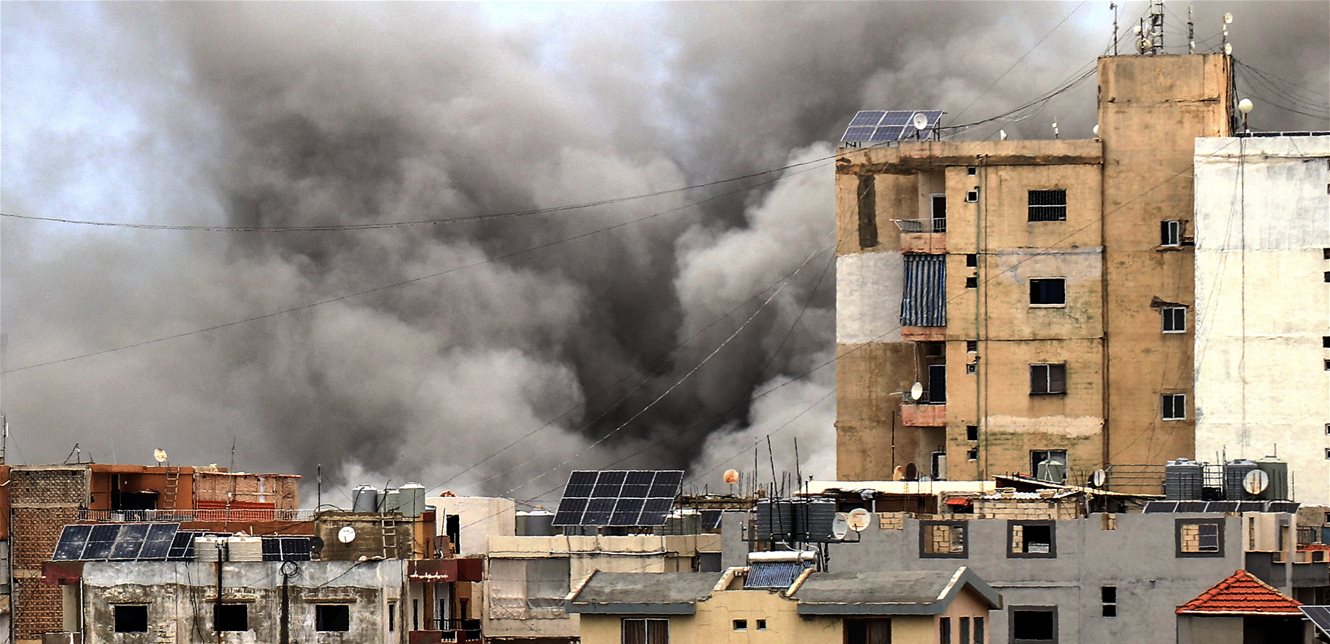
- A Carnegie Endowment analysis finds that Israel's April 17 ceasefire effectively established a "yellow line" inside Lebanon, occupying 608 square kilometers—roughly 6% of Lebanese territory—and turning dozens of villages into militarized buffer zones.
- Israel reissued evacuation orders on April 17 for the entire area south of the Litani River (approximately 1,000 square kilometers), already severed from the rest of the country by destroyed bridges; orders have since expanded to towns north of the Litani and parts of the Beqaa.
- Beyond the geography, the analysis documents a second, invisible reconfiguration: sectarian social barriers hardening across Lebanon as displaced Shiite families relocated to mixed areas and communities quietly began calculating risk along communal lines.
- On May 14, Lebanese and Israeli representatives met in Washington for another round of negotiations; the shape of any potential deal remains unclear, with Hezbollah continuing to fire and Israel continuing to strike.
Zooming out: The combination of physical territorial loss and the entrenchment of communal avoidance patterns represents a dual transformation—geographic and social—whose effects on Lebanon's long-term cohesion may outlast the conflict itself. Cash Aid Reaches Over 6,000 Families in Hasbaya and Marjayoun
- Minister of Social Affairs Haneen Sayed announced from Marjayoun that more than 6,000 families in the districts of Hasbaya and Marjayoun will receive cash support "to strengthen their steadfastness" in place.
- The aid falls within a broader government program that has already extended cash support to more than 140,000 displaced families outside shelters from various southern regions, and to 6,000 steadfast families in villages of Bint Jbeil.
- Sayed framed keeping families on their land as the "first line of defense against displacement projects," arguing that residents who stay make it more likely that displaced neighbors will eventually return.
What to watch: Whether cash transfers are sustained and scaled will determine how many southern families can hold out—and how many ultimately join the many families already displaced across Lebanon. |
|
| | - 45 more days, same problems: The US State Department announced a 45-day extension of the Lebanon-Israel ceasefire after two days of talks in Washington it called "fruitful," with political negotiations resuming June 2-3 and a new military security track launching at the Pentagon on May 29.
- Angry Birds, real consequences: LBCI's satirical Angry Birds video mocking Hezbollah's Naim Qassem was deleted after a summons from Lebanon's Public Prosecutor, then cleared for rebroadcast two weeks later—a cycle that Daraj says illustrates how Lebanon's 880 recorded press freedom violations since 2012 work: not by law, but by pressure.
- Trains to Damascus, maybe: Public Works Minister Fayez Rasamny launched a tender for a consultancy to update the Tripoli-Aabboudiye railway study, a 35-kilometer line that could link the Port of Tripoli to Syrian, Iraqi, and Gulf markets—with a six-month study phase before any actual shovels appear.
- €7.5M for the fields: Agriculture Minister Nizar Hani unveiled a 7.5 million euro German-funded project through GIZ to boost farmers and small agribusinesses in North Lebanon, Akkar, Mount Lebanon, and the Bekaa—notably excluding the South, where 56,000 hectares of farmland have already been damaged by Israeli attacks.
- Nicotine pouches in the crosshairs: Lebanon's Health Minister Rakan Nassereddine convened the National Committee for Tobacco Control to address the rising use of nicotine pouches in schools and universities, calling for a comprehensive scientific and legal study on the products and pushing to expand Law 174 to cover them.
|
|
| ─ | Parallel Rate | 89,550 LBP | 0.00% | | ─ | Official Rate | 89,500 LBP | 0.00% | | ▼ | Gold | $4,561.9 | -2.48% | | ▼ | Bitcoin | $78,960 | -1.79% | | ▼ | S&P 500 | 7,408.5 | -0.48% |
as of 6:10 AM GMT · Source: lbprate, BDL, Yahoo Finance, CoinGecko |
| | Gazans Hold Mass Wedding Among the Ruins—50 Couples, One City Square
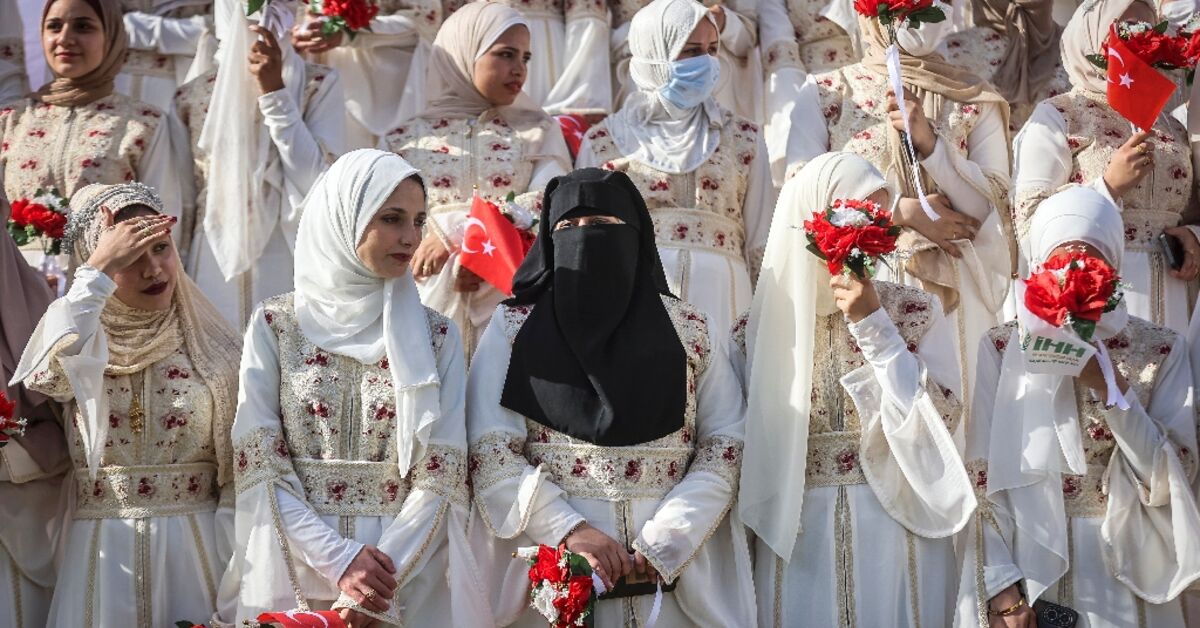
- Dozens of couples whose marriages had been delayed by war and displacement gathered in a Gaza City square for a mass wedding organized and funded by Turkish humanitarian organization IHH, with thousands turning out to watch.
- 50 grooms were selected to participate; attendees performed the dabke folk dance as women's ululations echoed through a crowd surrounded by buildings gutted by two years of war.
- For many couples, the high cost of weddings had been a separate obstacle on top of the war; groom Ali Mosbeh said he and his bride would now share a tent while he searched for work in an economy where employment has become "near impossible."
- "We are trying, despite everything, to find joy and carry on living," said bride Fayqa Abu Zeid, noting that most buildings around the venue had been destroyed, "with the martyrs buried beneath them."
The bigger picture: Mass weddings organized by humanitarian groups have become one of the few collective expressions of normalcy for Gaza's population, the majority of whom remain displaced in tents or makeshift shelters since the war began. Fatah Holds Its First Major Conference in a Decade—With Abbas Re-Elected and Palestinians Watching Skeptically
- The Palestinian political faction Fatah convened its first major general conference in nearly 10 years in Ramallah, with more than 2,500 members attending in person and via video link from Beirut, Cairo, and Gaza.
- President Mahmoud Abbas, 90, was re-elected as head of Fatah and promised the first presidential and parliamentary elections in 20 years—without providing a timeline for when they would take place.
- Palestinian opinion polls show deep public dissatisfaction, with 80% of respondents in a survey late last year saying they wanted Abbas to resign; at the party level, Hamas polled as more popular than Fatah.
- Adding to public skepticism, Abbas's eldest son Yasser—a businessman—appeared on the ballot for the first time for a senior party position, prompting questions about nepotism from both analysts and ordinary Palestinians in Ramallah.
What to watch: Whether the newly elected central committee moves toward the promised elections—or whether the conference produces the same cycle of pledged reform and political stasis that has defined the PA for two decades—will shape Palestinian political legitimacy in the months ahead. Europe's Leaders Are Deeply Unpopular—And the Numbers Are Getting Harder to Ignore
- New polling compiled across Europe's three largest economies shows French President Emmanuel Macron at 18% approval, German Chancellor Friedrich Merz at 19%, and UK Prime Minister Keir Starmer at 27%—all trailing US President Donald Trump's 38% approval rating, according to The Guardian, citing Statista and YouGov data.
- Only 11% of Britons believe Starmer has been a good or great prime minister; nearly 60% rate him as poor or terrible, with a significant number of his own parliamentary colleagues reportedly seeking to remove him after less than two years in power.
- Analysts point to structural headwinds—Europe's share of global economic output fell from roughly 33% to 23% between 2005 and 2024, with France, the UK, and Germany each projected to grow below 1% this year, compared to 2.4% for the US.
Zooming out: The simultaneous collapse in approval ratings across Europe's major democracies reflects a broader pattern in which incumbents are struggling to translate policy responses into public confidence during a period of compounding economic and geopolitical pressures. |
|
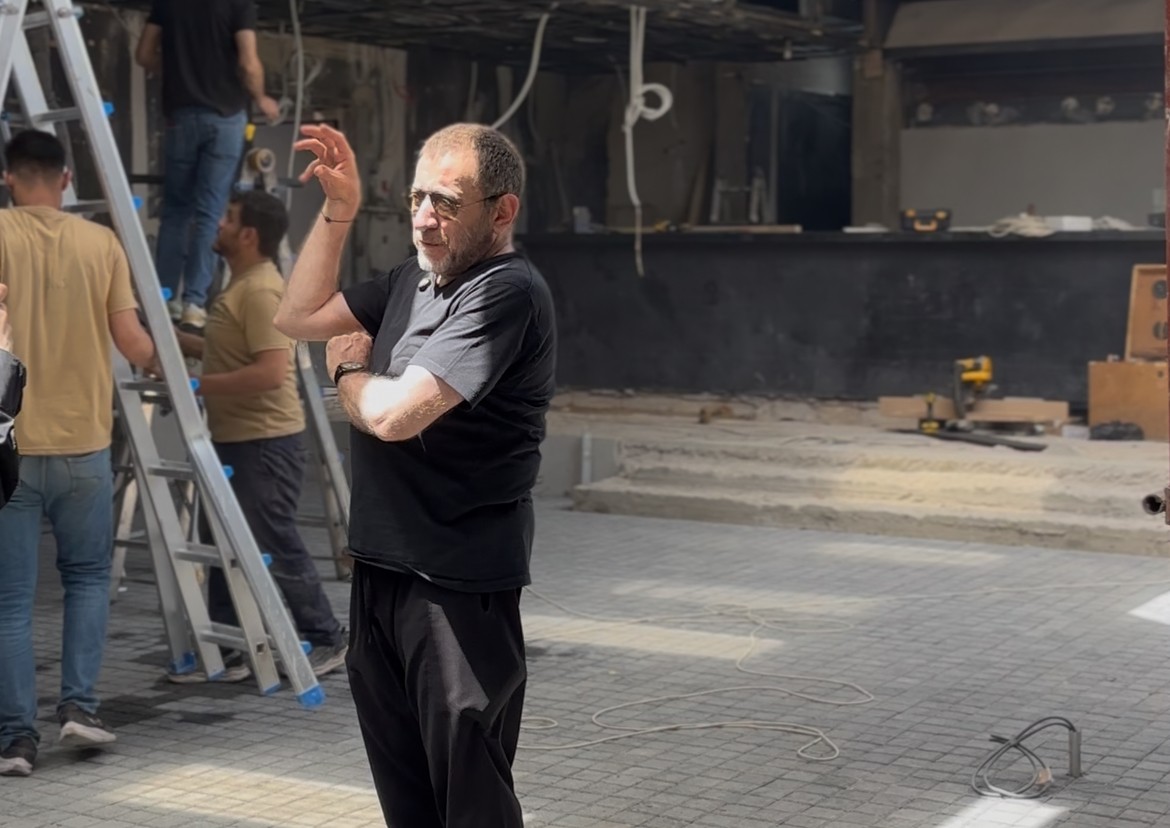
| | - B 018 is back: Lebanese architect Bernard Khoury is restoring his legendary Beirut underground club B 018—bolt by bolt—with the original hydraulic roof and décor returning exactly as they were, set to reopen in mid-June 2026 under the musical direction of Omran Gebran, son of the club's founding music guru.
- Title day at Celtic Park: Scotland's Scottish Premiership comes down to a single final-day decider between Hearts and Celtic—Hearts, unbeaten against Celtic in 3 meetings this season, need only avoid defeat to become champions for the first time since 1960, ending a 66-year wait and breaking the Old Firm's grip on the title.
- Ancelotti's World Cup bet: Brazil coach Carlo Ancelotti—holder of 5 Champions League titles—revealed that Neymar's World Cup squad inclusion "depends only on him and what he shows on the pitch," while confirming 41-year-old Thiago Silva is "on the radar" as Brazil prepare to end a 24-year title drought.
- Lebanon's literary voice: Hanin Al-Sayigh's novel "The Fruit of Fire," published by Dar Al-Adab in 2025, follows two generations of Lebanese mountain women navigating patriarchal society and economic collapse across 365 pages—a story about bread-baking, secret radio shows, and the quiet ways women carve out independence when the world isn't watching.
|
|
That's your Saturday—go make it a good one. |
Awarma is preserved lamb cooked in fat. |
Lebanon news for the diaspora — delivered every weekday morning. Free, sharp, ~5 minutes. |
|
|
|
|