|   | Shou el akhbar — pull up a chair, it's been a week. The big stories: Parliament's joint committees passed a controversial general amnesty bill, sending it to a full plenary vote. Israeli forces continued their destruction of southern Lebanese towns even after the ceasefire, with satellite images confirming what residents already knew. And a leaked IMF technical report laid bare just how tangled Banque du Liban's governance really is. Here's everything that mattered this week in Lebanon — the hopeful, the hard, and the infuriating. |
|
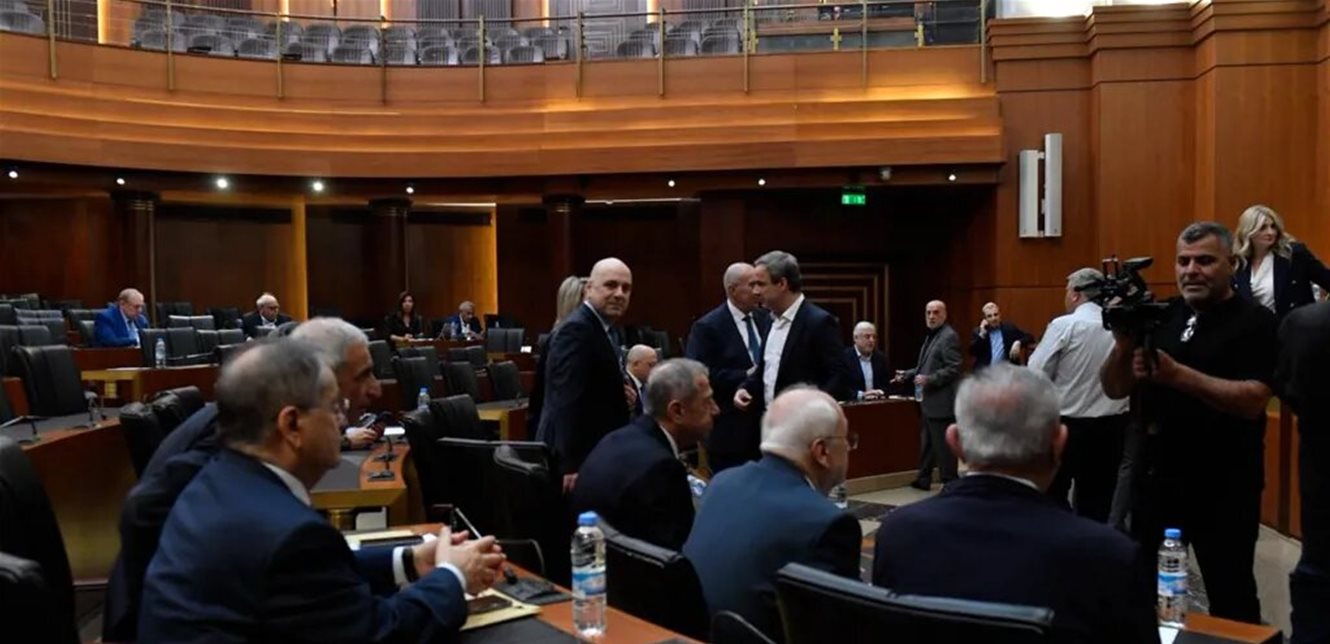
| | - Amnesty Bill Clears Committees: Lebanon's joint parliamentary committees approved a revised general amnesty bill Wednesday, sending it to a full plenary session. The compromise text reduced death-penalty sentences to 28 prison years and kept carve-outs for corruption, terrorism, and sexual violence.
- South Erased, Town by Town: Satellite imagery and AFP reporting confirmed widespread demolition across dozens of southern Lebanese towns — including Bint Jbeil and Yaroun — even after the April 17 ceasefire. Israeli attacks have destroyed more than 290,000 housing units since 2023, with 12,000 more destroyed or partially damaged since the truce began.
- Families Demand the Missing: At least 29 Lebanese are believed held in Israeli prisons following raids on southern villages, including a March 24 night incursion in Halta where a farmer was abducted and a 15-year-old was killed. Families say meetings with President Aoun and PM Salam produced assurances but no concrete action.
- IMF Diagnoses BDL: A leaked IMF technical assistance report found that Banque du Liban's legal framework is outdated, allowing the Finance Ministry to suspend central bank decisions and attend its board meetings. The report called for sweeping legislative reforms to governance, accountability, and financial transparency.
- Hezbollah Drones Stall Israeli Troops: Israel's public broadcaster Kan reported Monday that Hezbollah drone attacks had limited roughly 80 percent of Israeli assault operations in southern Lebanon, with anti-drone systems in short supply. Israel approved $700 million in emergency funding to counter the threat.
- Lebanon-Syria: Equal Footing, Unfinished File: PM Nawaf Salam's May 9 visit to Damascus — his second since Assad's fall — signaled a reset toward sovereign, bilateral ties, though analysts told Al Jazeera that Lebanon remains a lower priority for a Syrian government focused on reconstruction and stabilization. Israeli attacks have killed more than 3,000 people in Lebanon since March 2.
- Iran Blinks on Visas: Iran's Embassy in Beirut announced Monday that starting May 22, 2026, Lebanese citizens could enter Iran for tourism or religious pilgrimage once every six months — up to 15 days — without a visa, partially rolling back restrictions imposed two weeks earlier after Lebanon banned all activities by Iran's Islamic Revolutionary Guard Corps and declared its ambassador persona non grata.
- Shiite Anger Turns Toward Tehran: Growing frustration among Lebanon's Shiite community — including Amal and Hezbollah supporters — shifted toward Iran directly this week, with displaced southerners telling Asharq Al-Awsat they felt abandoned after a war launched under the banner of supporting the Islamic Republic. Political analyst Ali al-Amin described it as "a clear shift" in perception.
- Gibran Wasn't Syrian, Actually: Lebanese Foreign Minister Joe Rajji announced Wednesday that a plaque in a New York park misidentifying Gibran Kahlil Gibran and other Pen League writers as "Syrian" had been removed and would be replaced with corrected text affirming their Lebanese identity. The Ottoman-era ambiguity had sparked a diaspora row.
- Mothers Get Bank Access: Banque du Liban Governor Karim Souaid issued Banking Circular No. 979 on Friday, directing all Lebanese banks to let mothers independently open and manage accounts for their minor children — enforcing a 2009 rule that had long been ignored in practice. The National Commission for Lebanese Women called it a step toward gender equality.
|
|
That's the week. Rest up — we'll be back in your inbox tomorrow morning. |
Lebanon news for the diaspora — delivered every weekday morning. Free, sharp, ~5 minutes. |
|
|
|
|