|   | Shou el akhbar — grab your coffee before someone steals it, because today's news actually earned the morning. Lebanon and Israel signed onto a real ceasefire framework in Washington, the central bank governor finally said out loud what everyone whispered for years about officials who fled with their cash, and up north, a runway that's been quiet for 37 years is about to hear engines again. |
|
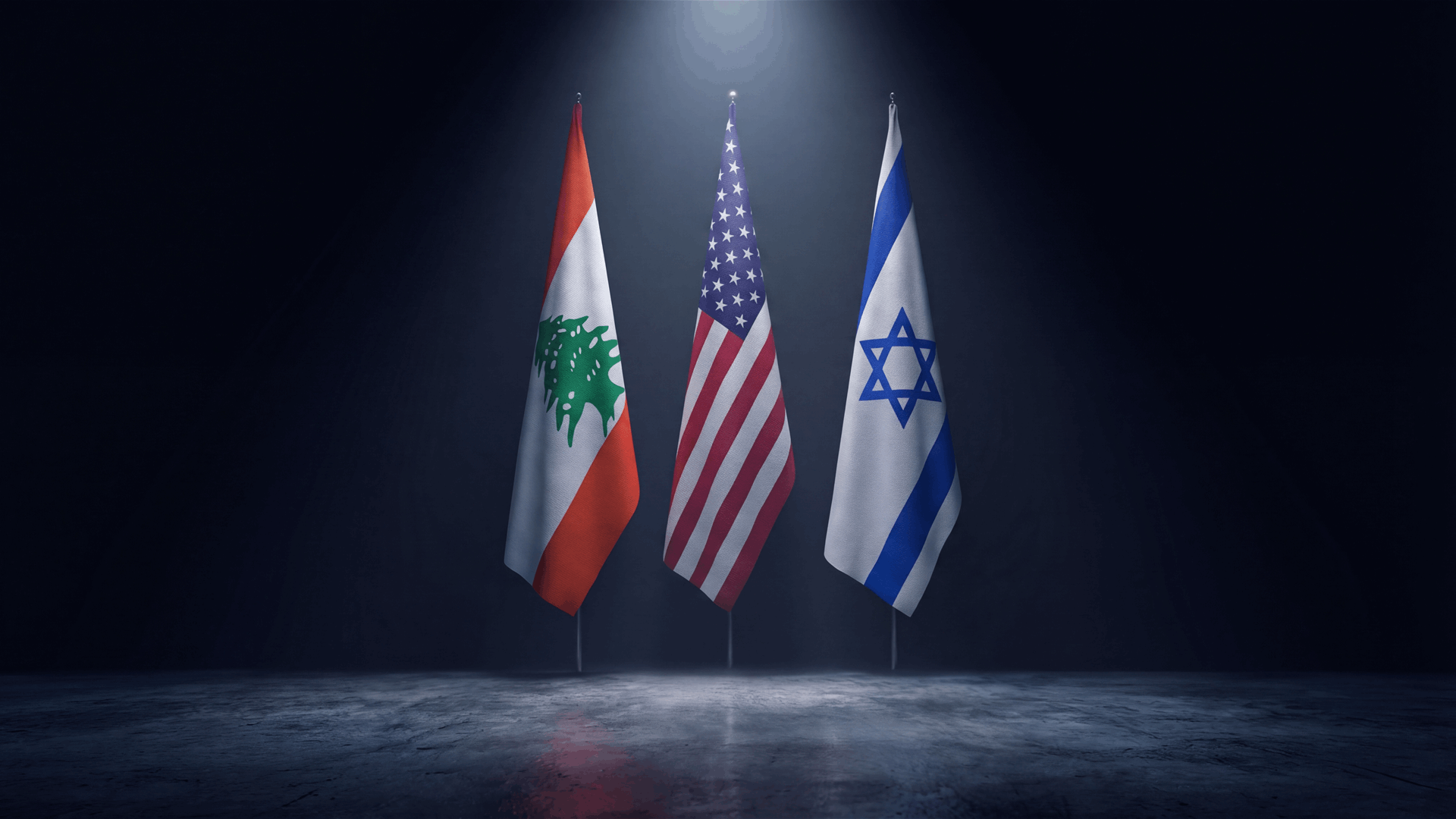
| | Lebanon and Israel Agree to Ceasefire Framework in WashingtonAfter four rounds of US-mediated talks, Lebanon and Israel have signed onto a ceasefire framework — the most concrete written agreement yet, covering Hezbollah's withdrawal from the south, exclusive Lebanese army control of territory, and a path toward a broader peace deal.
- The joint statement, released after the June 2–3 Washington meeting, makes the ceasefire contingent on a complete halt of Hezbollah fire and the withdrawal of all Hezbollah members from the South Litani Sector.
- A US-backed plan would establish pilot zones where the Lebanese army holds exclusive territorial control, with all non-state actors excluded — a significant benchmark in Lebanese sovereignty terms.
- Both governments stated they have no hostile intent toward each other and committed to direct negotiations on outstanding issues; the next round of political and security talks is scheduled for the week of June 22.
- The statement condemned Iran's regional activities, with all parties accusing Tehran of supporting proxy groups and destabilizing the Middle East.
What to watch: Whether the pilot-zone model holds on the ground before June 22 will reveal whether this agreement has teeth or remains a framework on paper. Lebanon's Central Bank Governor Puts the Crisis in Numbers — and Names Officials Who Fled With CashBanque du Liban Governor Karim Saeed delivered one of the most unflinching public autopsies of Lebanon's financial collapse yet, confirming that state officials transferred money abroad around October 2019 — and laying out a concrete five-track recovery timeline through 2030.
- Saeed cited approximately $80 billion in losses in the banking sector, most of which banks deposited with the Banque du Liban, and acknowledged Lebanon's 2020 Eurobond default as a defining rupture in the crisis, according to Al Modon.
- He confirmed that funds transferred out of Lebanon around October 2019 amounted to billions of dollars — some legitimate, but some moved by state officials and Banque du Liban figures without legal basis.
- His recovery roadmap runs in three phases: stabilization in 2026–2027, active restructuring in 2027–2028, and a return to normal credit and market access by 2028–2030 — contingent on bank classification, an IMF agreement, and sovereign debt settlement.
Why it matters: A sitting central bank governor publicly accusing state officials of capital flight marks a rare break from Lebanon's culture of institutional silence around the financial crisis. Northern Lebanon's First Civilian Airport in 37 Years Is About to OpenThe Lebanese Army's long-dormant air base in Qlayaat, about 3 kilometers from the Syrian border, is days away from its formal rebirth as a civilian airport — the first commercial flight to land there in nearly four decades.
- A ceremony is scheduled for Saturday, with Prime Minister Nawaf Salam expected to arrive aboard a Sky Lounge aircraft — which would be the first plane to land at Qlayaat in 37 years.
- The redevelopment will demolish an officers' club building and replace it with a new passenger terminal; an adjacent structure becomes the control tower, and a dedicated aircraft parking area is planned in front — while the eastern section stays under Lebanese Army control.
- The airport's two runways each stretch approximately 3 kilometers, and the facility is expected to boost trade, tourism, and connectivity for northern Lebanon, with its Syrian border proximity seen as a potential future cross-border advantage.
The bigger picture: Qlayaat's revival tests whether Lebanon can convert military-era infrastructure into economic assets at a moment when the north has long argued it's been left behind by Beirut-centric development. |
|
as of 4:46 AM GMT · Source: Polymarket |
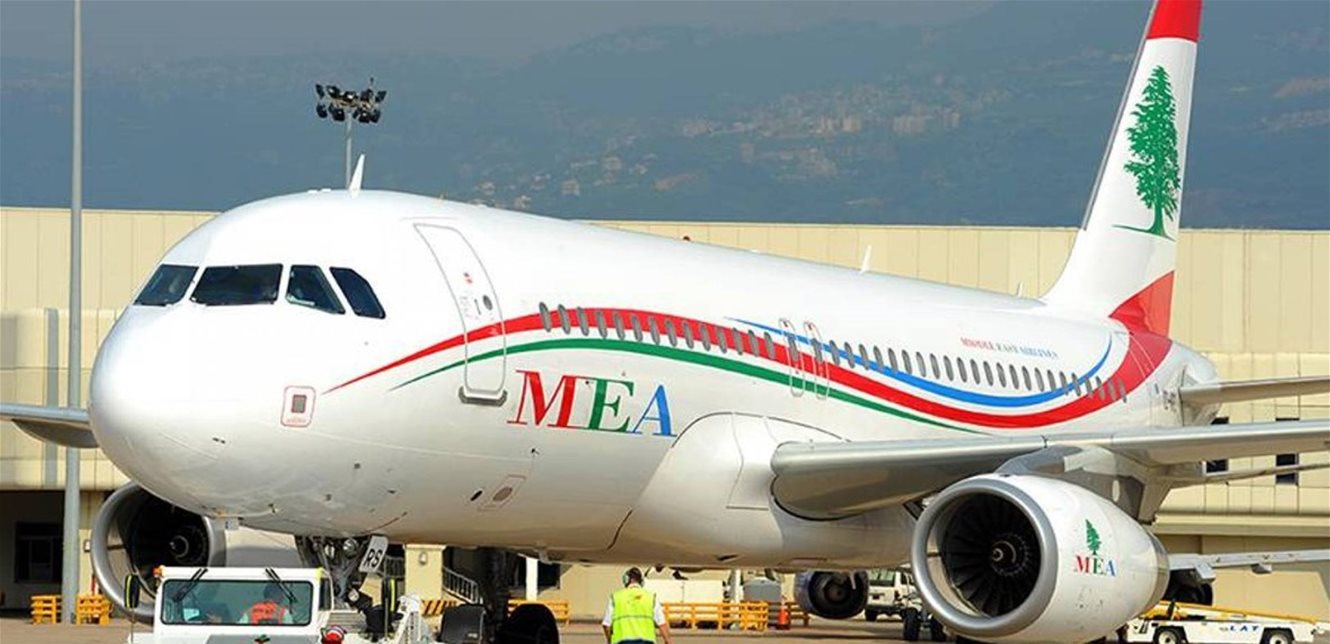
| | - MEA says thanks, but no thanks: Middle East Airlines pushed back hard against pilot safety complaints, saying its record of zero incidents in 60 years speaks for itself — and that training assignments flagged as "retaliation" by IFALPA covered just 5 pilots out of 32,000+ flights since early 2025.
- Lira holds, gold stumbles: Lebanon's foreign currency reserves ended May at $11.45 billion — essentially flat — while gold reserves slid by nearly $985 million in a single month as global gold prices fell, erasing about 9% of their value since the war began.
- Zahle's got a seat at the table: The Municipality of Zahle–Maallaqa and Taanayel won Lebanon's sole seat on the Executive Bureau of United Cities and Local Governments for 2026–2029 — a 116-member body that serves as the official municipal voice before the United Nations.
- New rules for lenders: The Banque du Liban issued a landmark circular overhauling non-bank finance companies, creating three license categories with minimum capital requirements ranging from LL50 billion to LL300 billion — and capping consumer loans at $100,000 per borrower.
- The road to the exam hall: University student Theodosia Karam, her father, and her brother were killed in an Israeli strike on the Khardali Bridge as she traveled from her southern village to sit a Lebanese University exam — reigniting a fierce debate over whether Lebanon's Ministry of Education should have insisted on holding in-person exams during active warfare.
|
|
| ─ | Parallel Rate | 89,550 LBP | 0.00% | | ─ | Official Rate | 89,500 LBP | 0.00% | | ▲ | Gold | $4,501.1 | +1.45% | | ▼ | Bitcoin | $64,301 | -3.09% | | ▼ | S&P 500 | 7,553.68 | -0.61% |
as of 4:35 AM GMT · Source: lbprate, BDL, Yahoo Finance, CoinGecko |
| | Syria's First Assad-Era Trial Begins — Without a Roadmap for JusticeOn April 26, nine defendants including Atef Najib — Bashar al-Assad's maternal cousin and the former security chief whose crackdown on children in Daraa sparked the 2011 revolution — went on trial in Damascus, a historic first for Syrian accountability.
- Eight co-defendants, including former President Bashar al-Assad and his brother Maher, are being tried in absentia; Najib is the only defendant present in court.
- Syria's transitional justice law has not yet been approved, meaning crimes like enforced disappearance and forced displacement — directly relevant to Najib's case — have no basis in current Syrian penal code, forcing prosecutors to use inadequate substitutes like "kidnapping."
- The National Transitional Justice Commission was established in May 2025 and has begun drafting a law, but no transparent strategy has been published clarifying who will be prosecuted, on what charges, or through what mechanisms.
What to watch: Whether Syria approves its transitional justice law before the trial reaches sentencing will determine whether this landmark case sets a durable legal precedent or a fragile one. Trump Administration Resists Returning $166 Billion in Court-Ordered Tariff RefundsThe Supreme Court struck down a sweeping set of Trump tariffs as unconstitutional, and a trade court ordered immediate refunds — but the administration is now fighting to delay paying back the $166 billion owed to importers.
- The conservative-leaning Supreme Court ruled 6-3 that tariffs imposed under the 1977 International Emergency Economic Powers Act were unconstitutional, leaving roughly 330,000 importers owed refunds on about 53 million entries, according to The New York Times.
- Trade court judge Richard K. Eaton ordered the administration to refund the tariffs immediately; the Department of Justice filed an emergency appeal to block the testimony of the U.S. Customs and Border Protection commissioner scheduled for next Tuesday.
- Some companies, including Oshkosh Corporation and toy maker Basic Fun, told CNBC they have already begun receiving partial refunds for which they previously filed.
Zooming out: The standoff between the executive branch and the judiciary over $166 billion in contested tariff revenue is a stress test for U.S. institutional checks at a moment of already elevated trade uncertainty. Taliban Signs Weapons Deal With Russia — and Warns PakistanThe Taliban's acting defense minister flew home from Moscow last week with a military-technical cooperation agreement in hand and a pointed message for Pakistan: Russian-backed maintenance of Afghanistan's arsenal means Islamabad should think twice before striking Afghan territory again.
- The agreement, signed May 27 on the sidelines of a security conference, focuses on repairing and maintaining Russian-made weapons systems already in Afghanistan's inventory, including helicopters — many left over from the Soviet-era invasion that began in 1979.
- Russia's Security Council Secretary Sergei Shoigu, per state news agency TASS, used the occasion to reiterate opposition to any U.S. or NATO military presence in Afghanistan or neighboring countries.
- Analysts describe the arrangement as pragmatic rather than ideological: the Taliban gain usable military hardware and regional legitimacy, while Russia gains a buffer against Islamic State Khorasan and a foothold as Western influence in Central Asia recedes.
The bigger picture: Russia becoming the first country to formally recognize the Taliban government, combined with this weapons deal, signals a meaningful reconfiguration of Central Asian security alignments that extends well beyond Afghanistan's borders. |
|
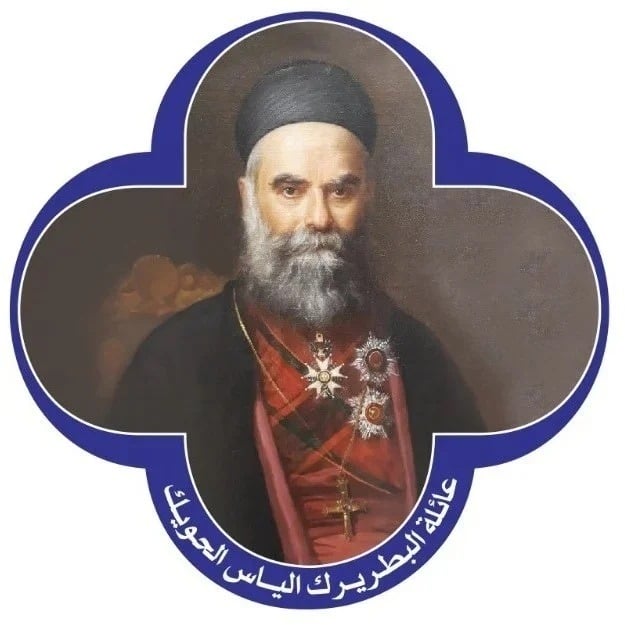
| | - The father of Lebanon, beatified: Pope Leo XIV has approved July 25 as the date for the beatification of Patriarch Elias Hoyek — the man who stood at Versailles in 1919 and demanded an independent, greater Lebanon — with Maronite Patriarch Bechara Boutros al-Rahi celebrating Mass at the patriarchate's summer seat in Dimane, in the highlands of Bcharre.
- Cedars get a guardian network: Bcharre and the Patriarchs' Garden in Diman have officially joined Lebanon's Hima conservation network, a community-based model that protects forests and biodiversity without changing land ownership rights — a win for the cedar country's natural and spiritual heritage in one stroke.
- Salah's village still believes: BBC Sport visited Nagrig, the Nile Delta village where Mohamed Salah grew up, finding murals, a youth centre pitch named in his honour, and an 70-year-old vegetable seller whose life was changed by his charity — a reminder that the Egyptian King's 257 Liverpool goals are only half the story.
- Desert milk goes global: The UAE's camel milk industry has transformed a Bedouin staple into chocolate, ice cream, skincare products, and export lines, with one litre priced between 22 and 26 dirhams in local markets — proof that heritage and hustle make a surprisingly good combination.
|
|
That's your Thursday — go make it a good one. |
Rishta is lentil soup with pasta. |
Lebanon news, every weekday morning. Free, sharp, ~5 minutes. |
|
|
|
|