|   | Shou el akhbar — and what a week it was. This is your Sunday edition of Sobhiye, a look back at the biggest Lebanon stories of the past seven days. The headline that defined everything: the US and Iran signed a memorandum of understanding in Switzerland, declaring an immediate end to military operations — Lebanon included. A ceasefire between Israel and Hezbollah followed, though it showed cracks almost immediately, with 47 people killed in Israeli airstrikes on the very day the deal was inked. Meanwhile, US sanctions landed on Sleiman Frangie, a land scandal embarrassed Beirut Municipality, and hazardous materials were quietly removed from Beirut Port. Ten stories. One week. Let's get into it. |
|
Which Lebanese politician was designated by the U.S. Treasury for obstructing Lebanon's peace process? Scroll to the bottom for the answer — or play all 10 at sobhiye.news/games/news-quiz |
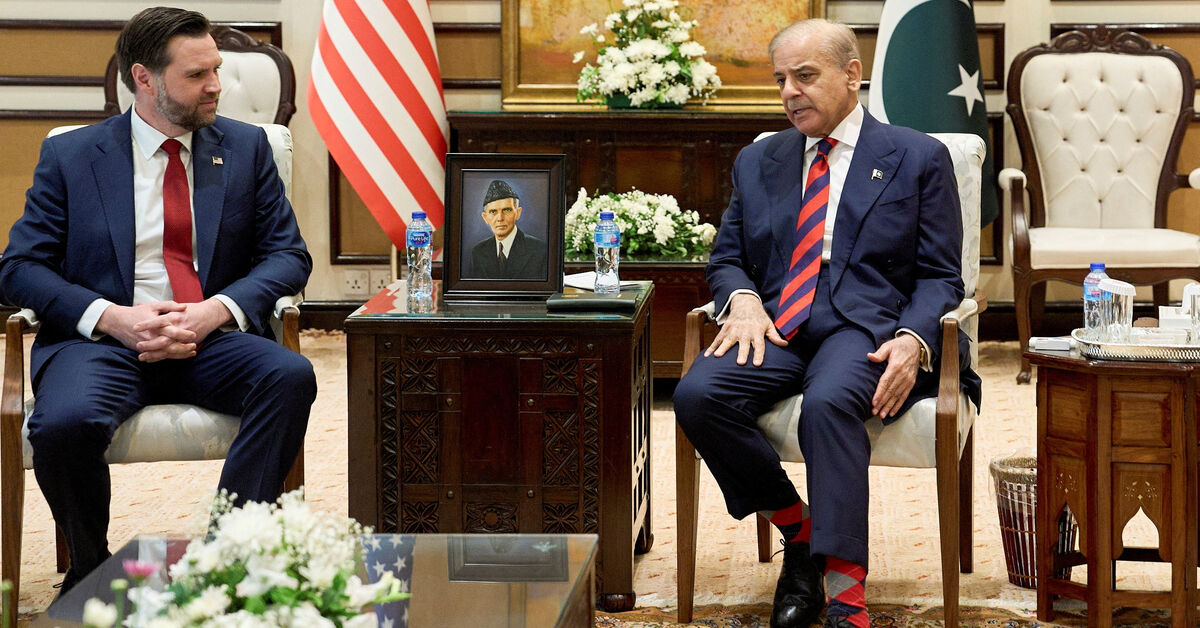
| | - US-Iran Deal, Lebanon Included: Pakistan's Prime Minister Shehbaz Sharif confirmed early on Monday that the US and Iran reached a peace deal declaring an immediate end to military operations on all fronts — including Lebanon. The memorandum of understanding was signed Friday in Switzerland, covering a Strait of Hormuz reopening, sanctions relief, and a 60-day window for final nuclear negotiations.
- Ceasefire, Then Cracks: Israel and Hezbollah agreed to a ceasefire on Friday brokered by US and Qatari mediators, after Lebanese authorities reported 47 people killed in Israeli airstrikes that same day — the highest combined casualty count since the US-Iran deal was signed. Follow-on talks scheduled in Switzerland were postponed, though a further round of negotiations was scheduled for later in Washington.
- Trump Blasts Netanyahu: Before the deal was signed, President Trump publicly condemned an Israeli strike on Beirut's Dahieh neighborhood on Sunday, June 14, calling it something that "should not have happened, particularly on a special day." Trump told Axios he was "so pissed off" — an unusually direct rebuke of Israel from a sitting US president during active diplomacy.
- Hezbollah's Weapons, a Document: The Carnegie Middle East Center published a report outlining a circulating framework — developed by Egypt and later refined with Saudi participation — for a phased transition of Hezbollah's weapons over three stages, ending with the group becoming a fully civilian political party. The document had been sent to both Hezbollah and Israel for comment, the report said.
- US Sanctions Hit Lebanese Officials: The US Treasury's OFAC on Wednesday designated Marada Movement leader Sleiman Frangie and Hezbollah political council deputy Mahmoud Qamati, alongside a broader network of front companies operating across Lebanon, Syria, Iraq, and Oman. Treasury said Frangie accepted Hezbollah financial support in exchange for targeting reformist parliamentary seats in elections.
- Beirut's $15M Land Scandal: A Court of Audit ruling obtained by Daraj revealed that Beirut Municipality sold a 1,091-square-meter railway land plot near the port to Banque de Beyrouth for roughly $15 million through a private deal — bypassing a public auction that could have fetched up to $25 million. The penalty imposed on the former governor and municipal council members: $18.
- Bac Exams Pushed Back: Prime Minister Nawaf Salam announced Monday that official baccalaureate exams, originally set for June 29, would be postponed at least until early July, citing the fragile ceasefire and the need to ensure student safety. Thousands of Lebanese students — many displaced by the conflict — had been waiting weeks for a definitive government decision.
- Hazardous Materials Cleared from Port: Lebanese authorities removed four leaking containers of highly flammable petroleum-based materials from Beirut Port's Pier 8 on June 17, after they sat there since October 2024. The importer was fined $40,000 and ordered to cover repackaging and re-export costs — a close call that renewed anxieties about hazardous storage at the port six years after the 2020 blast.
- Bulldozers and War Crimes: Human rights experts alleged this week that six multinational construction equipment companies — Caterpillar, Volvo, Hyundai, Doosan, Hitachi, and Komatsu — may be complicit in war crimes after geolocated images showed their excavators demolishing villages in south Lebanon. Satellite analysis by Bellingcat documented heavy damage across at least 46 villages, most caused by demolitions after the April 17 ceasefire.
- Lebanese Fintech Raises Millions: Sovra, a fintech startup founded by Lebanese entrepreneur Ahmad Wehbi, raised more than $2 million in pre-seed funding this week, led by Pharsalus Capital. Built in direct response to Lebanon's banking crisis, the app lets users hold self-custodial dollar accounts, earn yield on stablecoins, and spend via a global card — with no bank able to freeze their funds.
|
|
That's your week in full. Take a breath — we'll be back in your inbox tomorrow morning. |
| ✓A. Sleiman Antoine Frangie |
OFAC designated Sleiman Antoine Frangie among Hizballah-aligned Lebanese officials. Read the full story → |
Lebanon news, every weekday morning. Free, sharp, ~5 minutes. |
|
|
|
|