|   | Marhaba. Your MPs just gave themselves a $2,000 raise — via government decree, while soldiers take home $280 a month. That's the Sunday morning energy we're working with, along with a historic child rights vote coming this week and a former Assad general sitting in a Beirut detention center waiting to find out if Lebanon is about to make legal history. |
|
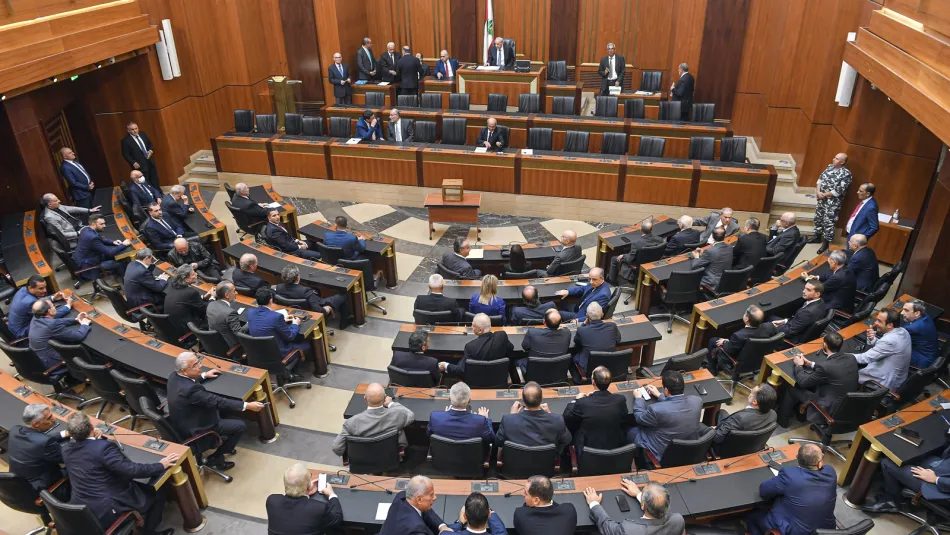
| | MPs Are Getting a $2,000 Raise — Via Decree, Not a VoteLebanon's parliament may vote on laws for everyone else, but when it comes to its own pay, MPs reportedly bypassed the floor entirely. The reported salary jump from $3,000 to $5,000 monthly — which Sobhiye readers have been tracking — is now coming into sharper focus: according to Al Modon, the mechanism is a government decree tapping emergency budget reserves, not a law subject to debate, named votes, or public accountability.
- The decree reportedly routes funds through the Parliament's mutual aid fund using the budget's emergency reserve appropriation — but legal analysts argue a recurring salary increase doesn't qualify as an emergency under Article 26 of the Public Accounting Law.
- Meanwhile, a law Parliament itself approved on July 15 — allocating 56,500 billion LBP (roughly $631 million at the official rate) to cover six months of back pay for public employees, soldiers, and retirees — is reportedly being paid out in installments, with part deferred to 2027.
- Lebanese soldiers currently earn roughly $280 a month, down from $800–$1,200 before the financial crisis — while MPs' increase is reportedly paid in one lump sum.
- Independent MPs face a direct test: appeal the decree before the State Council, demand disclosure through parliamentary questioning, or stay silent and pocket the raise.
What to watch: Whether any MP publicly rejects the increase or files a legal challenge when the decree is published in the Official Gazette — that will be the clearest signal of whether reform rhetoric has any teeth. Lebanon Moves to End Criminal Prosecution of Seven-Year-OldsLebanon's Parliament is set to vote Tuesday and Wednesday on raising the age of criminal responsibility from seven to fourteen years — a reform that would bring the country in line with international child rights standards it has long been out of step with. Under current law dating to 1943, a primary school-aged child can be prosecuted, have a judicial ruling issued against them, and lose their liberty.
- The draft law, approved unanimously by the Cabinet in February after Justice Minister Adel Nassar championed it, shifts the system's starting point from prosecution to protection, prevention, and rehabilitation.
- Judge Raja Abi Nader, who supervises the Prisons Directorate, calls setting seven as the age of responsibility "very low by international standards" — a child that age lacks the psychological and cognitive maturity for full criminal responsibility.
- Under the new framework, juvenile judges would turn to social delegates for field follow-up and rehabilitation programs instead of fines and detention.
- One caveat: Judge Abi Nader warns that success depends on building an "effective system of alternative social, educational, and psychological measures" — a real challenge given the state's strained resources.
Why it matters: If passed, the law would end one of Lebanon's most criticized gaps in child protection and could reduce cycles of reoffending by keeping young children out of the criminal system entirely. Lebanon Detains Assad-Era General, Weighs Historic Handover to SyriaA former senior Syrian military commander who fled to Beirut after Assad's fall is now in Lebanese custody — and could become the first Assad-era official handed back to Damascus since the regime collapsed in December 2024. Dozens of Assad's former security figures have already been arrested and tried inside Syria; this case would mark a new chapter in Lebanon-Syria judicial cooperation.
- Maj. Gen. Adel Issa, who once commanded Syria's military 17th Division and later led ground forces in Deir el-Zour before retiring in late 2016, walked into the Syrian embassy in Beirut on Friday for paperwork — and embassy officials alerted Lebanon's prosecutor's office that he was wanted in Syria.
- A team from Lebanon's Central Criminal Investigation Department arrested him and transferred him to the Beirut Palace of Justice detention center; Issa denied all accusations.
- Because Friday is a weekend in Syria, Lebanese judicial authorities are waiting for Damascus to send his charge sheet on Monday before deciding whether to extradite him.
Zooming out: A decision to hand Issa over would signal a meaningful shift in Lebanese-Syrian judicial relations and set a precedent for how Beirut handles the dozens of Assad-era figures still believed to be on Lebanese soil. |
|
as of 2:35 AM GMT · Source: Polymarket |
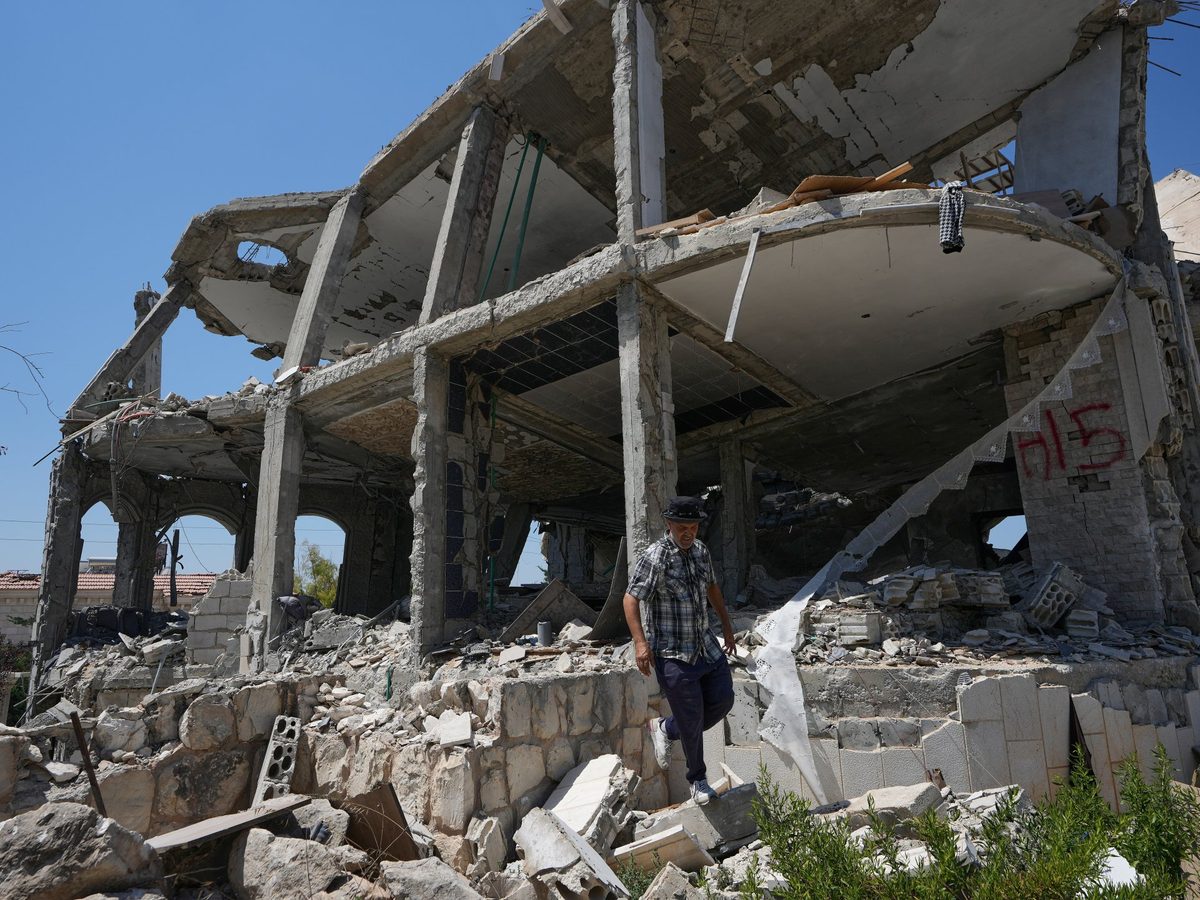
| | - Zawtar's new earth problem: Israeli troops entered the southern pilot zone of Zawtar al-Gharbiyah overnight and erected an earth barrier near the town square — a move Lebanon's army called a violation of the June framework accord. Around 50 families had returned to the village after army deployment on July 21.
- Captagon crackdown pays off: Lebanon's drug seizures since late 2025 have been relentless — including 64 million Captagon pills and 79 barrels of chemical materials in a single Baalbek facility raid — and the security source behind the effort says detailed public announcements are deliberate: Gulf countries need evidence, not just pledges.
- Rome talks, optimism intact: President Aoun told cabinet the latest Rome talks showed "positive progress" on borders and prisoner exchanges even as Israeli artillery shelled Mais al-Jabal and drones flew over Beirut on the same day.
- Dabbour family fires back: The family of former Palestinian Ambassador Ashraf Dabbour, now in provisional detention pending a Cabinet extradition decision, denounced the case as "political score-settling" and said Palestinian institutions in Lebanon had closed their doors to them when they tried to book a press conference venue.
- Tripoli gets a security pledge: Interior Minister Al-Hajjar chaired a security council session in Tripoli promising residents enhanced ISF presence, stricter enforcement on celebratory gunfire, unlicensed weapons, and drug trafficking — and specifically warned generator owners against exploiting rising fuel prices to overcharge subscribers.
|
|
| ─ | Parallel Rate | 89,550 LBP | 0.00% | | ─ | Official Rate | 89,500 LBP | 0.00% | | ▲ | Gold | $4,399.7 | +3.72% | | ▼ | Bitcoin | $64,810 | -0.10% | | ▲ | S&P 500 | 7,757.64 | +0.44% |
as of 2:07 AM GMT · Source: lbprate, BDL, Yahoo Finance, CoinGecko |
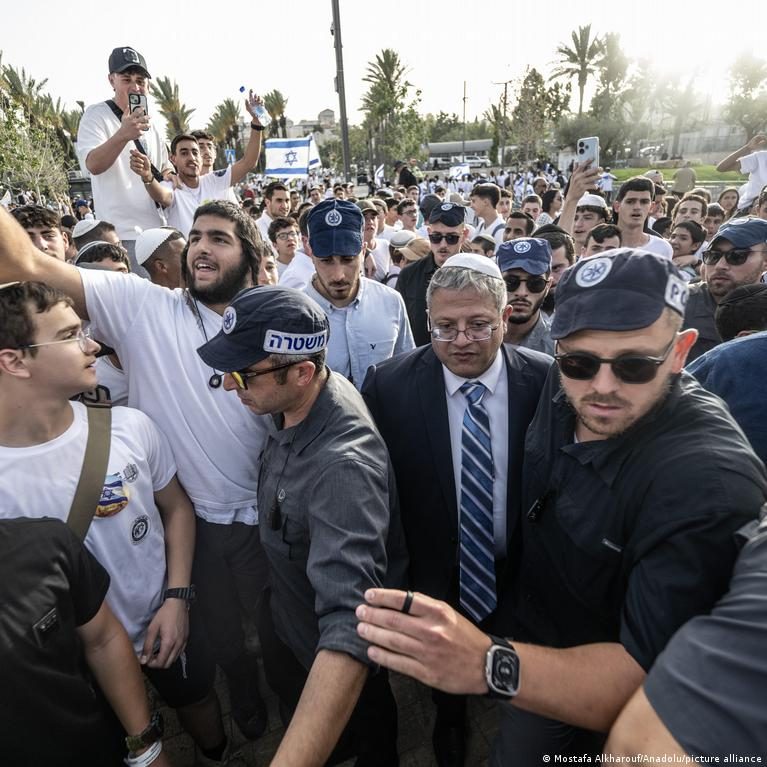
| | Al-Aqsa on the Edge: Arab Foreign Ministers Warn of Global Religious ConflictTen Arab League foreign ministers, joined by ministers from Indonesia, Pakistan, Turkey, and Malaysia, held an emergency meeting in Amman this week over mounting evidence that Israel is quietly dismantling a decades-old agreement governing access to Al-Aqsa Mosque — one of Islam's holiest sites. The status quo, in place since Israel occupied East Jerusalem in 1967, restricted Jewish prayer at the compound and gave Jordan custodianship through the Islamic Waqf.
- The joint statement warned that Israeli infringements could trigger "a religious conflict with repercussions that will extend beyond the region and threaten regional and international peace and security."
- Reported changes include dozens of Jordan-employed mosque officials barred from entering Al-Aqsa this year, the number of Muslim worshipers having halved during 2025, and Jewish visitors increasingly performing rituals previously forbidden for decades.
- Israel's Foreign Ministry called the statement inaccurate, saying Jerusalem "has never been more open and accessible to worshippers of all faiths."
- Analysts note that countries like Morocco and the UAE, which normalized ties with Israel, could face intense domestic pressure if the situation escalates further.
What to watch: Whether Israeli authorities respond to the Amman statement with any policy change at the site, or whether the diplomatic warning follows the pattern of past declarations that produced no practical shift on the ground. Over 72,000 Crossed Into Ceuta — Thousands Are Still There, Sleeping on the BeachLast week's mass crossing into Ceuta, the Spanish enclave on Morocco's northern coast, became one of the worst humanitarian crises at Europe's borders in recent years. More than 72,000 people waded or swam into Spanish territory in a matter of days; estimates of those still remaining range from 2,500 to as many as 5,000, with the death toll from the crossing potentially reaching 141 and dozens still missing.
- Thousands remain sleeping in the open on El Trampolín beach without tents, blankets, or adequate sanitation, with NGOs including the Red Cross only recently beginning to provide food.
- An estimated 1,300 unaccompanied children are among those still in Ceuta, with some as young as ten reported wandering unprotected; a 16-year-old told the Guardian she had been sleeping rough after the city's reception centre turned her away as full.
- Fresh social media posts have called for another mass crossing in mid-August, adding to anxiety among Ceuta's 84,000 residents.
The bigger picture: The Ceuta crisis has reignited Europe-wide debate about border security, the reliability of third-country migration agreements, and the gap between the EU's stated asylum obligations and what happens on the ground when those systems are overwhelmed at scale. Europe's Nuclear Plants Are Struggling — and the Culprit Is Climate ChangeEurope has been leaning harder on nuclear power since the energy shock that followed Russia's invasion of Ukraine, with nuclear now supplying about one quarter of the EU's electricity. But an intensifying cycle of heat and drought is quietly undermining that bet: rivers are too warm or too low to cool reactors, and this summer several countries have been forced to cut output or shut plants entirely.
- France closed three reactors last week after drought cut river flows; Hungary shut its sole nuclear plant due to record-low Danube water levels, on which it depends for 40–50 per cent of its power; Romania and Slovenia both reported output reductions.
- Romania blew up rocks and sank weighted barges to divert Danube cooling water toward its plant after closing one of two reactors.
- The EU had announced a further €330 million investment in nuclear technologies just this past March.
Zooming out: The same climate breakdown driving demand for low-carbon nuclear energy is now directly limiting its output, a feedback loop that energy planners across Europe will need to engineer around — through cooling ponds, alternative coolants, or deeper sea intakes — if nuclear is to remain a reliable pillar of the continent's green transition. |
|
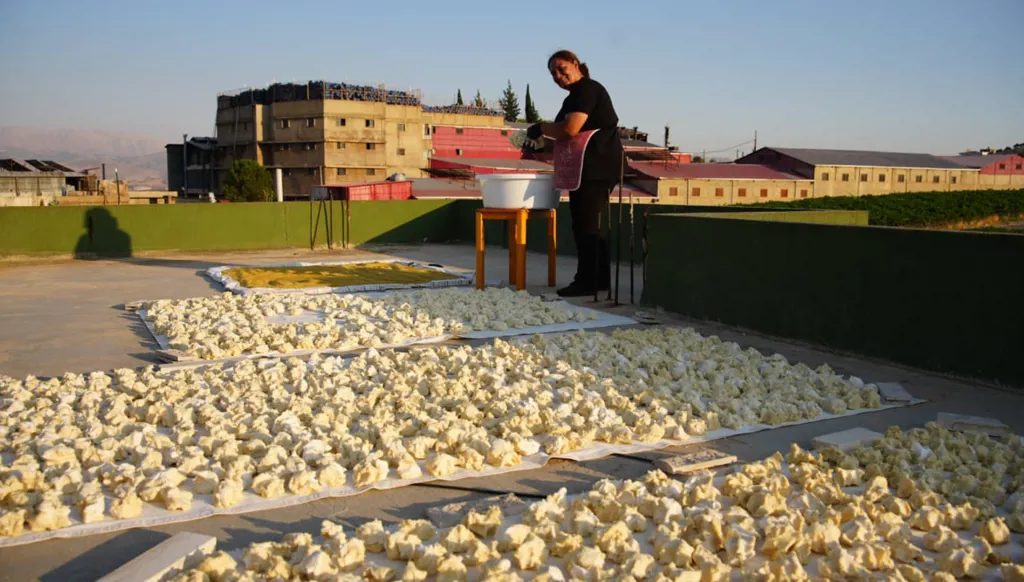
| | - Kishk season is here: Rooftops across the Bekaa are filling with bulgur drying under the August sun — the start of the 15-day kishk-making ritual that turns simple ingredients (bulgur, yogurt, salt) into Lebanon's most beloved winter staple, a tradition Um Adnan of Qsarnaba has been perfecting her whole life.
- Lebanon's literary export: Lebanese novelist and Tufts University professor Alexandra Chreiteh just published "The Modern Arab Marvelous" with Edinburgh University Press — described as the first book in English to offer a comprehensive history of the Arab fantastic tradition, from jinn and ghosts to magical realism, arguing fantasy is a new form of realism for societies experiencing exclusion.
- Diving into the Seine: Paris is staging its first-ever high-diving competition in the Seine, with athletes launching from a 20-meter platform in front of the Eiffel Tower — part of the European Aquatics Championships running through August 16, drawing over 1,000 athletes across five disciplines to a river where public swimming was banned for over a century.
- Breezy and Raymond, electric: Chris Brown and Usher's Raymond & Brown Tour hit MetLife Stadium Friday night, powering through more than 50 songs over three hours despite a thunderstorm delay, with surprise guests including 50 Cent and Jadakiss turning the show into a masterclass in R&B nostalgia.
|
|
That's your Sunday briefing — take the afternoon slow, the news will still be here tomorrow. |
"Makdous" are oil-cured stuffed baby eggplants with walnuts. |
Lebanon news, every weekday morning. Free, sharp, ~5 minutes. |
|
|
|
|