|   | presented by  | A besieged village in south Lebanon just got internet through a satellite dish — because Israel destroyed everything else. Kifkon, habibi. This morning we're also looking at Solidere's audacious ask for 25 more years of downtown Beirut, and whether Bekaa leaders can finally turn a decades-old slogan into something that actually gets built. |
|
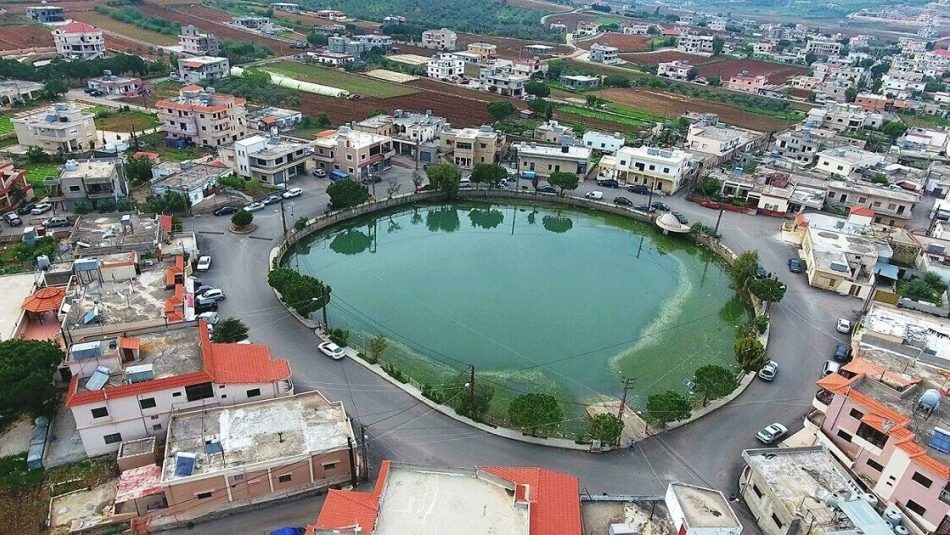
| | Besieged by Israel, Rmeish Gets Its First Starlink ConnectionThe border village of Rmeish — a Christian community in the Bint Jbeil district surrounded by Israeli forces since last April — just got its first link to the outside world via satellite. Lebanon's Telecom Ministry delivered a Starlink device to the municipality, marking the first civilian use of the service in a country that hasn't yet officially legalized it.
- Mayor Hanna Al-Amil confirmed that Telecom Minister Charles El Hajj supplied the device, framing it as a way to keep communication open between the municipality and the Lebanese state.
- Israeli forces have bulldozed communication towers and destroyed infrastructure around Rmeish and the neighboring towns of Ain Ebel and Debel — hundreds of residents in all three have refused to leave despite the siege.
- Starlink's low Earth orbit design means no cable laying or ground infrastructure — exactly what makes it viable where everything else has been destroyed.
- No official Lebanese decision permitting Starlink use nationwide has been issued, making this deployment a policy first by necessity, not by law.
What to watch: Whether this emergency workaround triggers a broader national decision on Starlink licensing — or stays a one-off exception for a village the rest of Lebanon can't reach. Solidere Wants 25 More Years. The Debate Is About What Comes After.We told you last week the government was floating a medium-term conditional extension for Solidere, the company that's controlled downtown Beirut since 1994. Now a detailed Megaphone analysis lays out exactly what Solidere is really asking for — and what's at stake if Lebanon blinks.
- Solidere has formally requested a 25-year extension until 2051, with the company's board estimating its land portfolio could rise from roughly $1.6 billion today to approximately $4 billion — meaning the extension is essentially a bet on $2.4 billion in future speculation gains, according to Megaphone.
- Since its 1994 founding, Solidere has received privileges estimated at roughly $3 billion, including $2 billion in land reclamation rights and $470 million in tax exemptions — while 40% of its residential apartments sit empty amid a city-wide housing crisis.
- The government faces three paths: full liquidation, full extension, or a conditional middle road — and the analysis argues the third option, however imperfect, must be the last extension Solidere ever gets.
Why it matters: Solidere isn't just a real estate company — it's the clearest symbol of the post-war rentier economy that helped drive Lebanon's 2019 collapse, so how this extension is structured will signal whether the reform era is real or cosmetic. Bekaa Leaders Gather to Turn a Slogan Into a PlanFor decades, "Bekaa: Development and Belonging" has been the kind of phrase Lebanese politicians print on banners and forget by Monday. A large cross-sectarian meeting in Majdal Anjar this week tried to change that — bringing together MPs, religious leaders, and municipal officials around a concrete roadmap instead of the usual list of grievances.
- The meeting, hosted at Azhar Albekaa at the invitation of Mufti Sheikh Ali Ghazzawi, drew political, religious, economic, and military figures from across the Bekaa's different regions and sects — a rare show of unified intent, according to Al Modon.
- Key infrastructure demands surfaced: the long-delayed Dahr al-Baydar tunnel, reopening Rayak Airport, road maintenance, and strengthening border crossings to boost trade and exports.
- MP Wael Abou Faour emphasized empowering municipalities financially and administratively, calling them "local governments close to the people" — and pledged to follow up on every item in the meeting's communiqué.
- Longer-term priorities included saving the Litani River, completing the Lebanese University campus, expanding vocational education, and establishing follow-up mechanisms with defined responsibilities.
Zooming out: The Bekaa has watched successive governments promise development and deliver neglect for so long that the meeting's real test isn't the communiqué — it's whether any of these files move before the next election cycle buries them again. |
|
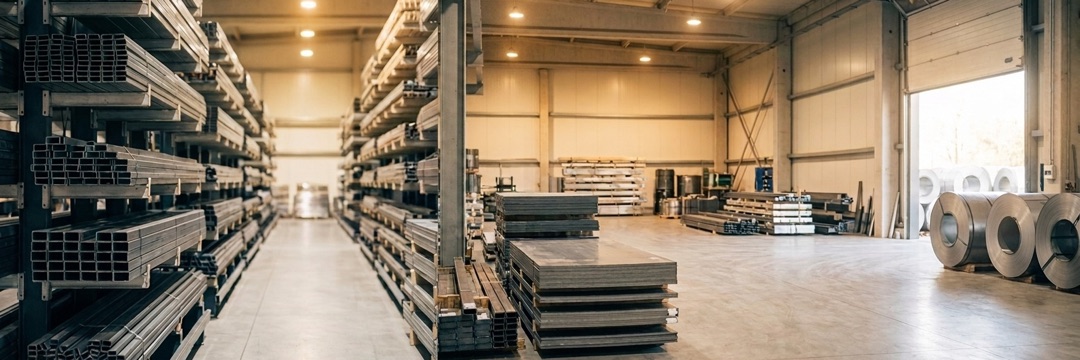
Every material your project needsCarbon and stainless steel, aluminum, copper, insulation, polycarbonate, composite panels, gratings — Tchaghlassian Steel carries the full list, so contractors and fabricators in Lebanon source it all in one place instead of chasing five suppliers. |
as of 2:24 AM GMT · Source: Polymarket |
| | - Rome round seven, same old south: The seventh round of US-mediated Lebanon-Israel talks in Rome has begun, with Bint Jbeil and Khiam on the table as potential new pilot zones — but Israel issued its first forced displacement order since negotiations started, targeting the village of al-Mansouri and ordering residents 1,000 metres north.
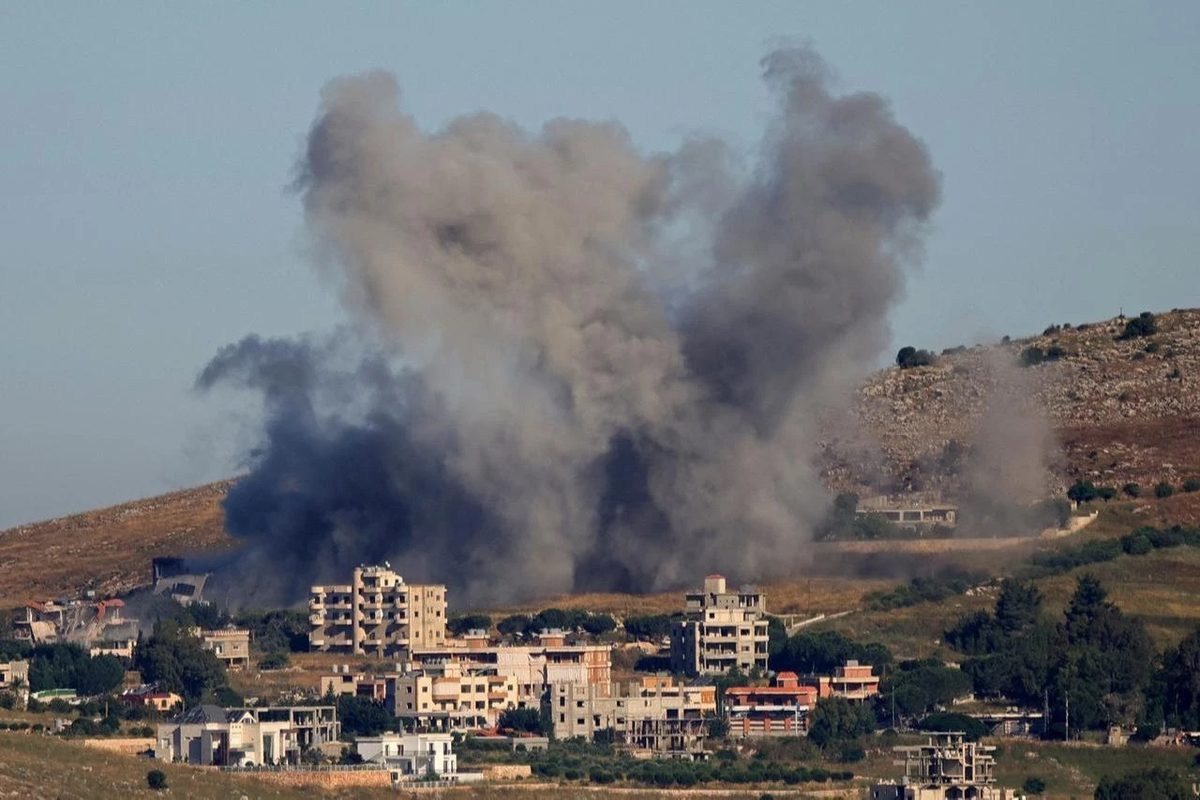
- Fires, bombs, bulldozers: Israeli drones dropped incendiary materials over the Western Bekaa overnight, sparking widespread forest fires, while Israeli forces carried out large-scale detonations in Zawtar al-Sharqiyah, Qantara, and Haddatha — and machine-gun fire struck a Lebanese Army vehicle near the Khiam-Dibbin-Hammam triangle, damaging it without injuring soldiers.
- Iraq's fuel, Tripoli's tanks: Lebanon is laying groundwork to become a transit and storage hub for Iraqi fuel oil travelling by road through Syria to Tripoli's oil facilities — PM Salam is chairing a Monday meeting with energy, finance, and transport ministers to map out what border crossings and infrastructure rehabilitation would be needed first.
- Ankara raises the stakes: Syrian Foreign Minister Al-Shaibani, speaking in Ankara alongside his Turkish counterpart, publicly called for confining weapons in Lebanon and Iraq as a condition for regional stability — sources close to Hezbollah interpret the statement as Damascus setting near-impossible preconditions ahead of any formal dialogue with the group.
- Chmestar goes solar: Residents of the repeatedly bombed Bekaa town of Chmestar pooled $75,000 of their own money to build a solar-powered drinking water well, inaugurated Sunday — the town gets just two to three hours of public electricity daily, and the municipality says seven such wells would be needed to make it fully water self-sufficient.
|
|
| ─ | Parallel Rate | 89,550 LBP | 0.00% | | ─ | Official Rate | 89,500 LBP | 0.00% | | ▲ | Gold | $4,380.9 | +0.93% | | ▲ | Bitcoin | $65,084 | +0.42% | | ▲ | S&P 500 | 7,757.64 | +0.44% |
as of 2:06 AM GMT · Source: lbprate, BDL, Yahoo Finance, CoinGecko |
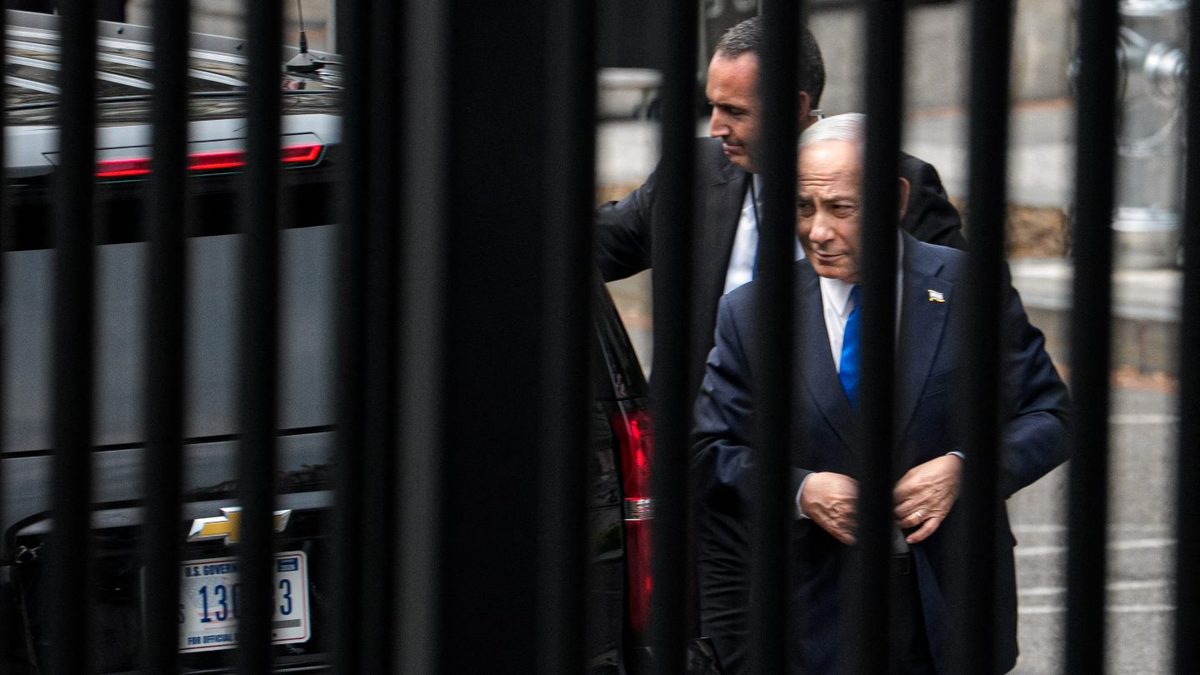
| | Netanyahu Cited a Nuclear Quote That Traced Back to an Indian X AccountAn Israeli investigation found that a quote Benjamin Netanyahu used in an official address to warn about Iran's nuclear ambitions had no verified primary source — it originated from an Indian Hindu-nationalist X account and spread through Israeli media before reaching the prime minister's podium within hours.
- A joint investigation by Israeli outlet Ynet and New York Times journalist Ronen Bergman traced the alleged quote — attributed to IRGC chief Ahmad Vahidi — to an account called Ritika, which posted it on August 5; about two hours later, Netanyahu cited it at an official ceremony.
- US Ambassador to the UN Mike Waltz reposted the claim before deleting it; Fox News ran the story and later issued a clarification saying the remarks "were previously taken out of context and amplified as comments made this week."
- Ynet said it could not determine whether Netanyahu or his inner circle directed the quote's circulation, but pointed to "familiar markers of disinformation distribution."
- Two Netanyahu aides are separately under investigation over alleged leaks of classified documents to influence public opinion about Rafah operations.
The bigger picture: The episode illustrates how quickly unverified claims can travel from fringe social media accounts through major political and media institutions — and the scrutiny that follows when the trail becomes traceable. Pentagon Tells Arms Makers: 21 Days to Deliver Faster Production PlansThe US military's stockpile of missile interceptors has fallen sharply after five months of conflict with Iran, and the Pentagon is now pressing defense contractors to dramatically accelerate output — with a hard deadline and a blunt warning that "years-long development cycles are not acceptable."
- Deputy Defense Secretary Stephen Feinberg sent a memo giving industry leaders no more than 21 days to submit plans for "significantly faster, more aggressive delivery schedules," according to a copy obtained by The Washington Post.
- The Center for Strategic and International Studies estimates Patriot interceptors fell from 2,330 before the war to between 759 and 827 — a drop of at least 65 percent — while THAAD interceptors are at least 38 percent below pre-war levels.
- Experts warn it will likely take at least three years to restore interceptor stockpiles to pre-war levels, even with new funding.
- A defense spending bill currently stalled in Congress would raise Pentagon spending to $1.5 trillion, up from roughly $900 billion last year.
What to watch: Whether Congress passes the defense spending bill — and how quickly contractors can actually scale production — will determine how exposed US and allied air defenses remain in the months ahead. Obesity Linked to Far More Cancers Than Previously EstimatedA major new study suggests the medical community has been significantly underestimating how much excess body weight drives cancer risk — and the methodology change that produced the finding may reshape how researchers and clinicians think about prevention.
- Researchers at the German Cancer Research Center, analyzing data from 458,543 people tracked for an average of 12 years, found that up to 11.5% of cancers may be attributable to being overweight — well above the previous estimate of 2% to 8%.
- The team moved beyond BMI to measure waist circumference and waist-to-hip ratio, finding that abdominal fat acts like a gland releasing molecules that influence cell growth and inhibit programmed cell death.
- 50,000 new cancer cases were identified during the observation period; the study excluded cases arising in the first seven years to rule out weight loss caused by undetected cancer.
- Women appear at higher proportional risk, partly because excess abdominal fat can elevate estrogen levels, which stimulates the growth of hormone-dependent cancers.
Zooming out: If the 11.5% figure holds up in follow-on studies, obesity prevention programs could become one of the most cost-effective tools in global cancer policy — a reframing with significant public health and funding implications. |
|
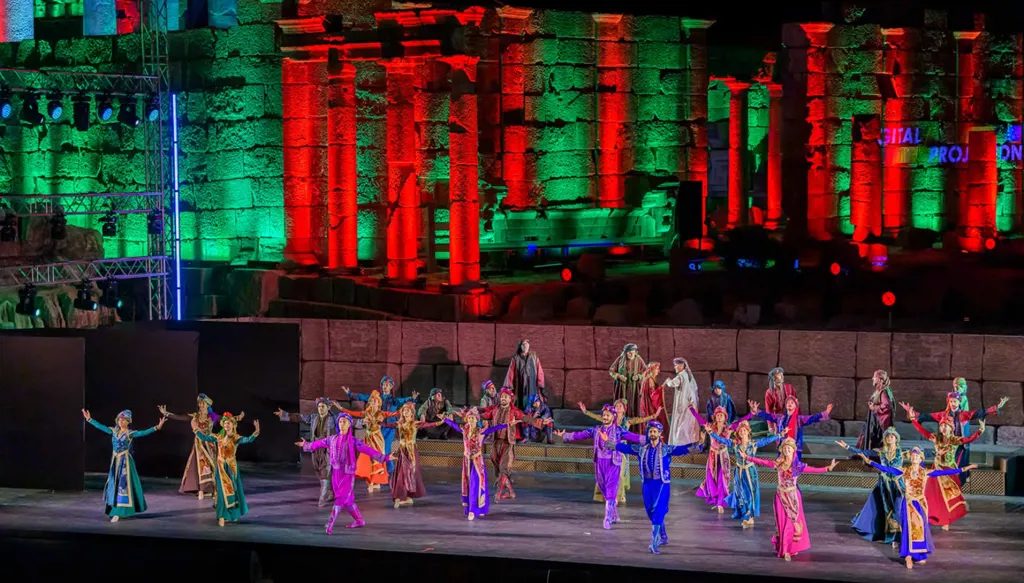
| | - Caracalla paints Lebanon alive: The iconic Caracalla dance troupe opened "Phoenicia" at Fakra Castle in Kfardebian, bringing Lebanon's Phoenician history to life through dance, music, and costume in what the troupe describes as another depiction of Lebanon turning pain into beauty — one of the most anticipated cultural openings of the summer.
- John Achkar conquers English: Lebanese comedian John Achkar — whom we told you about back in June — is now performing full-length English stand-up at Just the Tonic at The Caves in Edinburgh, after a single viral English joke earned him an international fanbase; reviewers call his debut promising and say he's "got a solid future in English comedy."
- Mouneh: Lebanon in a jar: Annahar's deep-dive into Lebanon's mouneh tradition traces it from Phoenician amphorae to today's artisan revival — Lebanese-American author Barbara Massaad explains that the word derives from "subsistence" and that the practice, born of Ottoman-era hardship, has evolved into a luxury food tourism symbol connecting diaspora to home.
- 2,100-year nap, interrupted: Divers off Mazaro del Vallo in western Sicily stumbled upon a Roman shipwreck believed to date to between the 2nd and 1st centuries BC, sitting at 46 meters depth — "hundreds" of perfectly intact amphorae likely used to carry wine were found at the site, which Italy's culture minister called one of the most important underwater discoveries in recent years.
|
|
Monday's yours — make it count for something you actually care about. |
Ejjeh is an herb and eggfrittata. |
Lebanon news, every weekday morning. Free, sharp, ~5 minutes. |
|
|
|
|