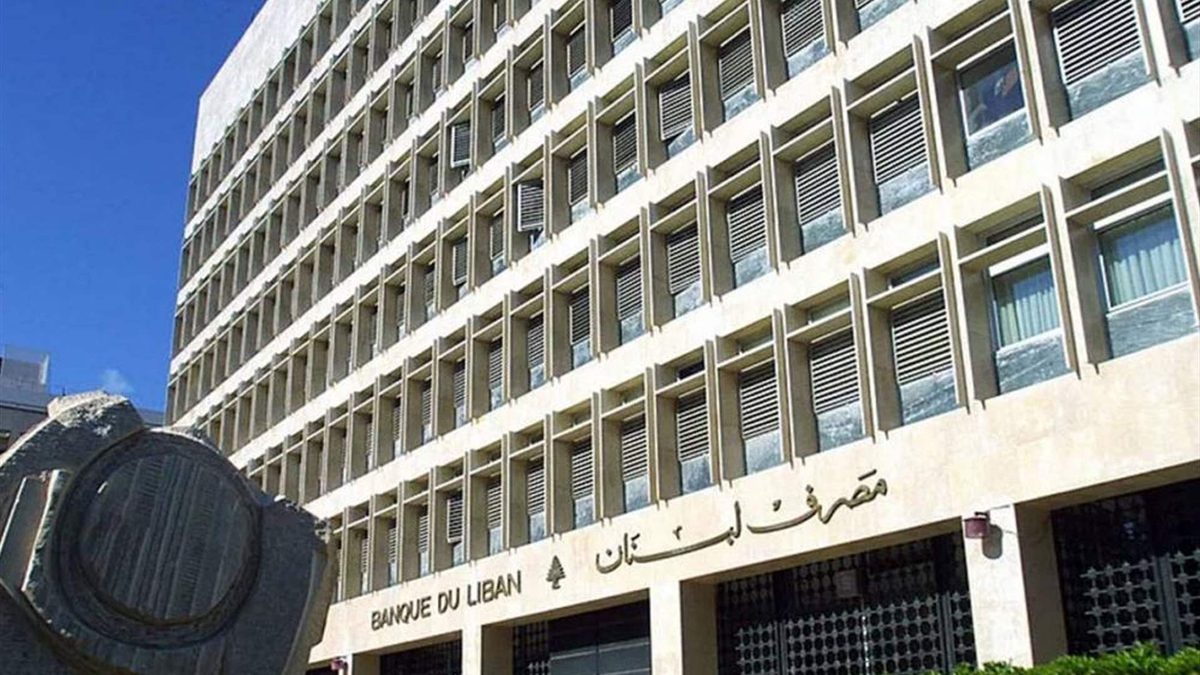
|   | presented by  | Forensic accountants are inside Banque du Liban this morning, and for the first time since the 2019 collapse, someone is actually looking at the receipts. Kifkon — today we're also tracking Israel quietly building military bases in the south while a historical deep-dive asks a pointed question: what if Lebanon had finished what Imam Sadr started? |
|
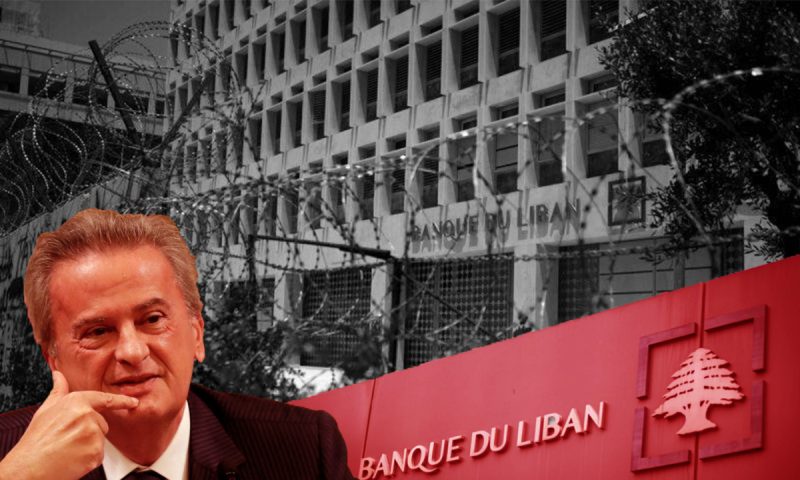
| | Lebanon's Central Bank Gets Its First Real Audit Since the CrashAfter years of dead ends and denials, forensic accountants are finally inside Banque du Liban — examining the very transactions that drained Lebanon's foreign reserves during and after the 2019 financial collapse. The firm doing the digging has done this before, and what it found last time wasn't pretty.
- Alvarez & Marsal — the same firm whose 2023 audit described "misconduct" under former governor Riad Salameh — officially launched its new mission on August 17, 2026, covering BDL transactions from October 1, 2019 through December 31, 2023.
- The audit's scope includes commodity and essential-goods subsidy programs, public-sector transfers, and documentary credits for fuel imports — fuel alone cost around $3 billion annually at the subsidy's peak, per LBCI.
- BDL held a formal kickoff meeting Wednesday with the Alvarez & Marsal team, including representative Manuel Makki and audit lead James Daniell, in the presence of Finance and Justice ministry observers.
- Even as reserves bled out after 2019, subsidies were expanded to cover items like cocoa and cashew nuts — a decision that drew widespread criticism at the time.
Why it matters: Every forensic finding this audit produces will land inside an ongoing web of criminal investigations into BDL under Salameh — making the results politically as well as financially consequential. Israel Is Building to Stay in Southern LebanonWe reported last week on the systematic looting of occupied southern villages. Now, a BBC team embedded with UNIFIL has documented what comes next: Israel isn't just demolishing — it's constructing. New bases, new roads, new fortifications. The occupation is digging in.
- Israel has established four new military bases in occupied southern Lebanon, bringing its total fixed positions to nine, according to UNIFIL spokeswoman Kandice Ardiel, who confirmed "consolidation and fortification" of Israeli positions and new protective infrastructure.
- Israel currently controls around 5% of Lebanese territory, with its presence extending up to 10 kilometers from the border in some areas — where new Israeli-built service roads are now visible.
- A Lebanese intelligence official told the BBC that Lebanon's military has recorded more than 5,000 violations of the June ceasefire deal, including airstrikes, drone attacks, and near-daily incursions beyond the agreed Yellow Line.
- Israel has conditioned any withdrawal on Hezbollah's disarmament; Hezbollah leader Naim Qassem called the US-brokered "pilot zones" framework "surrender with humiliation." A European diplomat told the BBC the pilot-zones plan now appears dead.
Zooming out: With Israeli elections at the end of October and no diplomatic framework moving, the question of when — or whether — displaced southern Lebanese can go home has no answer on the horizon. Imam Sadr's Blueprint: The Ten Pillars That Still Haunt Lebanese PoliticsSobhiye readers know Sayyed Musa al-Sadr's story — the Iranian-born Shiite cleric who made Lebanon his homeland, built the Supreme Islamic Shia Council, and vanished in Libya in 1978. A new Al Modon deep-dive details, for the first time in this series, the precise ten-point reform program he and Sheikh Shamseddine designed — and why it matters that it was never completed.
- The project's ten pillars included protecting Lebanese sovereignty and democracy, resisting Israeli occupation as a cross-sectarian consensus, and explicitly rejecting partisan or sectarian populism at the expense of national interest.
- Sadr's movement depended on a newly educated Shiite middle class that emerged during the Chehabist era — a class then decimated by the civil war, the fall of Nabaa (1976), and successive Israeli invasions, transforming Amal's political character in ways historians still haven't fully mapped.
- On April 14, 1975 — the day after the civil war's opening massacre — Sadr issued a public appeal calling on Lebanese Muslims and Christians to "reject the intruders", pleading against revenge even as crowds demanded it.
- A 2018 statement by former Iranian MP Jalaleddin Farsi, claiming Gaddafi killed Sadr because he "called for unity with Christians," is presented by the author as key new evidence of the ideological motivation behind the disappearance.
The bigger picture: Sadr's insistence on a Lebanon-first, cross-sectarian Shiite politics stands in sharp contrast to what came after — making this historical excavation read less like a biography and more like a political argument about the present. |
|
One call. Every material, sorted.Stop chasing five suppliers for one project. Tell Tchaghlassian Steel what you're building and they'll source the steel, aluminum, insulation, and panels to match — with the kind of straight answers a job site actually needs. |
as of 2:09 AM GMT · Source: Polymarket |
What is the Bentael Nature Reserve known for? Scroll to the bottom for the answer — or play all 10 at sobhiye.news/games/trivia |
| | - Salameh's charges keep stacking: Attorney General Raja Hamoush has resumed prosecution of former BDL governor Riad Salameh and ex-Bank Audi CEO Samir Hanna for violating the Code of Money and Credit — consolidating the case under one prosecuting authority after the financial prosecutor returned the file, removing the risk of contradictory rulings.
- Wednesday in the south: Israel carried out at least eight airstrikes and 13 demolition operations in occupied villages Wednesday, killed Hezbollah fighter Mohammad Dayekh in a drone strike on Nabatieh al-Fawqa, and hit Arab Salim — outside the buffer zone — for the second time in a week.
- Afqa River, freed: Energy Minister Joe Saddi revoked two permits issued in 2024 under former minister Walid Fayad that had handed brothers Mahdi and Hussein Ali Zeaiter control over part of the Afqa River's public property — blocking public access — and ordered the encroachments removed and the site restored.
- Lebanon's quiet factory boom: New figures show Lebanon now has 19,174 registered factories producing roughly 1,840 goods, and exports 1,105 industrial products to global markets — with local production capable of replacing up to $5 billion in annual imports, according to the Lebanese Industrial Enterprises and Exports Directory.
- Assad's shadow network busted: Lebanese authorities arrested two Lebanese nationals and three Syrians — including a former Syrian Air Force Intelligence colonel — who allegedly trained recruits in the Bekaa to carry out drone and bomb attacks against Syria's new government forces; automatic weapons, grenades, sniper rifles, and explosives were seized.
|
|
| ─ | Parallel Rate | 89,500 LBP | 0.00% | | ─ | Official Rate | 89,500 LBP | 0.00% | | ▲ | Gold | $4,452.9 | +2.41% | | ▲ | Bitcoin | $77,293 | +0.58% | | ▼ | S&P 500 | 7,666.6 | -0.25% |
as of 1:50 AM GMT · Source: lbprate, BDL, Yahoo Finance, CoinGecko |
| | Britain Moves Toward a Settlement Trade Ban — Israel Pushes BackThe UK's foreign secretary signaled this week that Britain is ready to ban goods produced in Israeli West Bank settlements, which it considers illegal under international law. It's a significant shift — and Israel is already threatening retaliation.
- UK Foreign Secretary Ed Miliband appeared to accept the principle of a settlement trade ban in parliament, joining Spain, Norway, and nine EU governments that have already moved or are moving in the same direction.
- Since 1967, Israel has built around 160 settlements housing 700,000 Jewish people among 3.3 million Palestinians in the occupied West Bank and East Jerusalem.
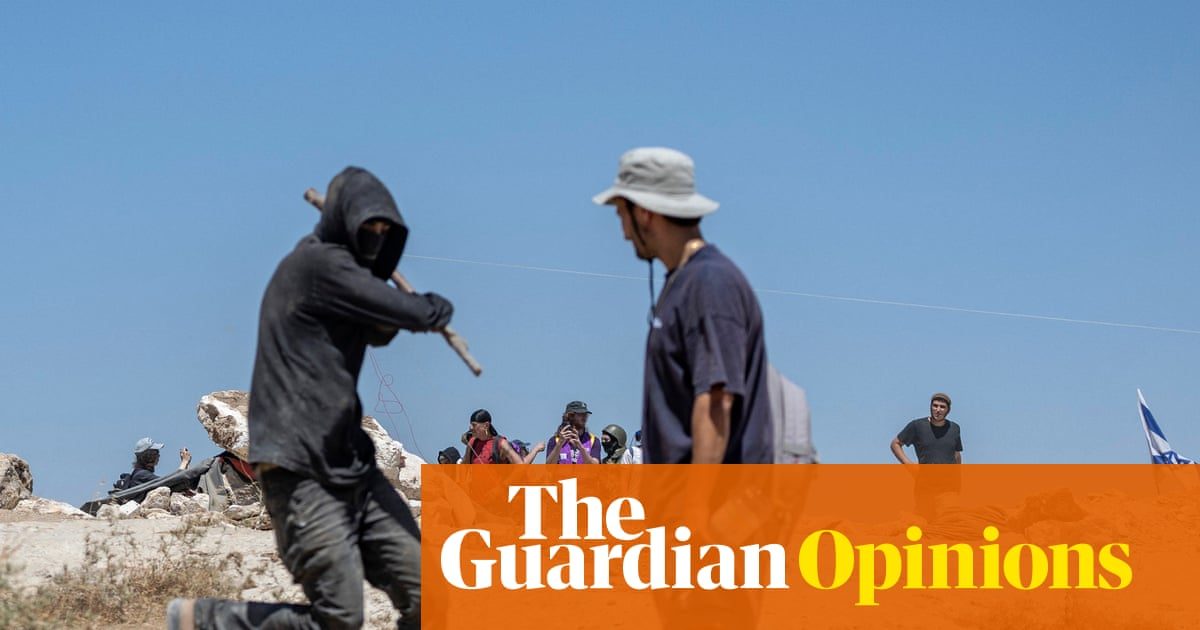
- More than 1,400 settler attacks have occurred so far this year, according to the UN, against a record 1,800 registered in all of 2025.
- Last month Israel issued tenders for 1,234 homes in the 3,401-unit E1 development east of Jerusalem, which ministers said was intended to "erase" the idea of a Palestinian state.
What to watch: Whether Miliband's promised "comprehensive reset" extends beyond a trade ban to broader prohibitions on financing and constructing settlement activity will determine how much diplomatic friction follows. Tunisia's Opposition Tests the Street — and the State Pushes BackTunisia's "Nafas" movement brought hundreds into the streets of Tunis on August 20, chanting about water outages and medicine shortages alongside political demands. It was a significant opposition demonstration — and the government's response came fast.
- Activist Seifeddine Arfaoui was arrested after the demonstration and charged under Article 86 of Tunisia's Telecommunications Code — an outdated law the Kais Saied government has increasingly used alongside Decree 54 to prosecute critics.
- Demonstrators chanted "No water, no electricity, no medicine" — a deliberate shift from the opposition's typical focus on constitutional and judicial issues toward daily-life grievances.
- Nafas framed the arrest as an escalation in the government's restrictions on public freedoms.
- Daraj reports that the opposition's ability to unify around Arfaoui's case will be a key test of whether it can build a broader coalition beyond its traditional base.
The bigger picture: Tunisia's paradox — growing social anger, but a protest movement that hasn't yet translated that anger into mass political action — is a dynamic several Arab countries with narrowing public space are navigating at once. Killer Robots Have No Treaty. That May Change in November.Autonomous weapons systems — machines that select and kill targets without a human in the loop — are proliferating faster than any international legal framework can catch them. A UN conference in November could be the last realistic moment to draw a line.
- Stop Killer Robots executive director Nicole van Rooijen told Middle East Eye that AI targeting reliability is estimated at between 25 and 50 percent — "the analogy," she said, "is carpet bombing."
- The UN secretary-general and the ICRC, who had called for binding rules by 2026, now say that deadline is "untenable" and warn the world is approaching a "moral red line."
- In November, states meet in Geneva for the Convention on Certain Conventional Weapons review conference — where a Group of Governmental Experts draft text, including some prohibitions, will be on the table.
- Currently there is no agreed definition of an autonomous weapons system, no treaty governing its development, testing, sale, or deployment.
Zooming out: The precedent — Israel's blanket use of cluster munitions in southern Lebanon in 2006, which eventually helped break the political impasse leading to the 2008 ban — is not lost on the campaigners pushing for the same outcome here. |
|
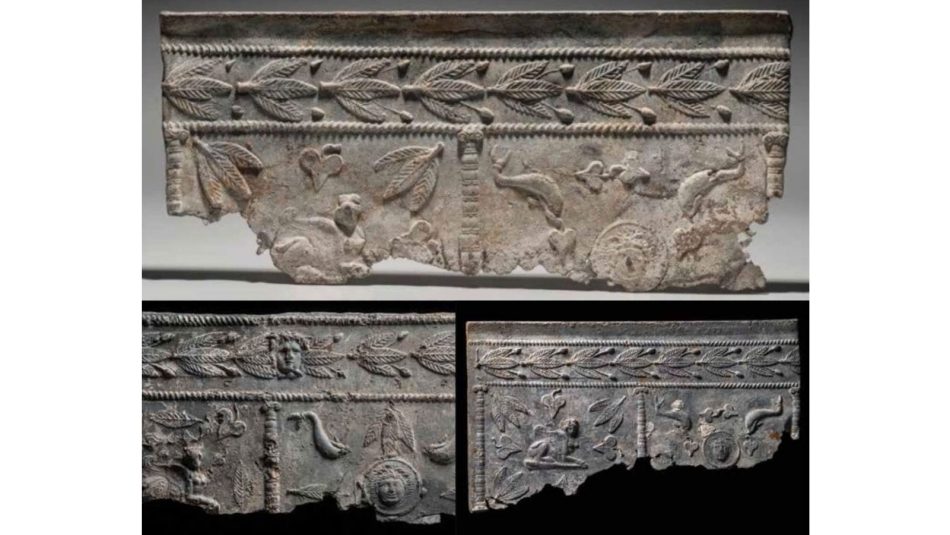
| | - Tyre's treasures come home: Lebanon's Culture Ministry, working with the FBI, has recovered a collection of smuggled lead sarcophagus pieces linked to the ancient city of Tyre — found in a New York antiquities sales catalog and handed back via the Lebanese consul general, a win for a region whose archaeological heritage has faced enormous recent pressure.
- Za'atar conquers Toronto: A new Harbord Village slice shop called Nice Slice is serving a manakish-inspired zaatar pizza — mozzarella, ricotta, Kalamata olives, zaatar, and pomegranate molasses on a crispy New York-style crust — at just $5.75 a slice, inspired by the owner's Lebanese partner's heritage.
- B 018 is back and loud: Beirut's legendary B 018 nightclub has reopened with the Middle East's first installation of d&b audiotechnik's U-series sound system, installed and tuned in under 24 hours by Lebanese audio firm Seebeck Audio — 28 years of history, brand new ears.
- Reggaeton's beat survives: A federal judge sided with Bad Bunny and struck down the bulk of a copyright lawsuit that had threatened nearly 2,000 songs by over 150 artists — ruling that a genre-defining rhythm cannot be copyrighted by reverse-engineering it from three separate songs after the fact.
|
|
Go enjoy your Thursday — the kind where something unexpectedly good lands in your lap before noon. |
| ✓C. Old oak and pine forests |
The Bentael Nature Reserve near Byblos protects ancient oak and pine forests, along with diverse wildlife and hiking trails. |
Lebanon news, every weekday morning. Free, sharp, ~5 minutes. |
|
|
|
|