|   | Shou, did three separate stories heavy on numbers just land on the same morning? Qatar's electricity plan now has megawatts attached, Beirut is eyeing a $2 billion credit push, and an Israeli think tank is counting the Litani's reopened bridges. Ahla w sahla—grab your coffee, the numbers are doing the talking. |
|
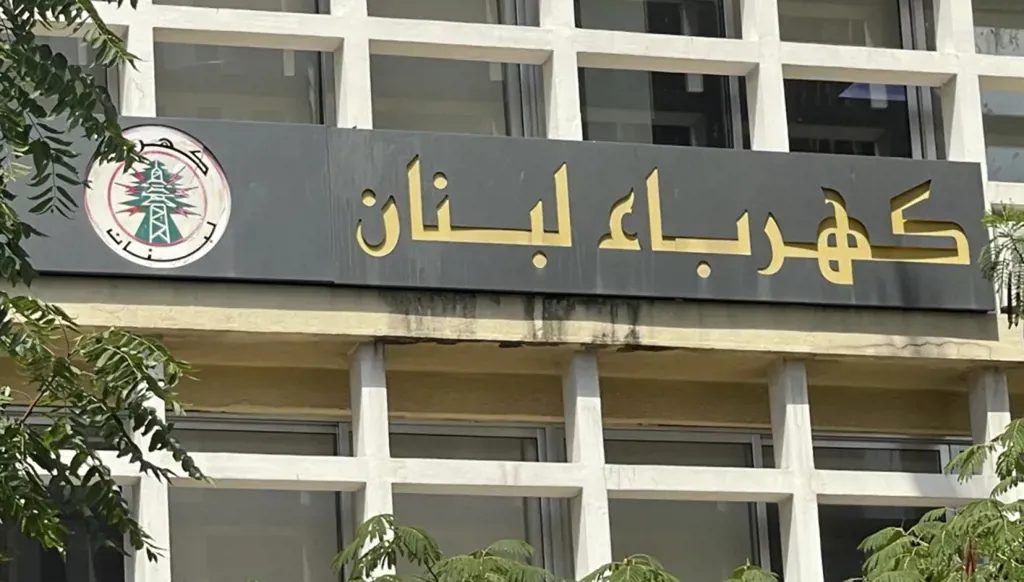
| | Qatar's Power Plan Gets Its NumbersQatar's pledge to fix Lebanon's electricity now has specifics. A document seen by Reuters lists two 825-megawatt gas plants, a 20-year LNG supply deal and large solar and wind capacity. Until now, readers knew only that Doha would fund, build and run a multi-part energy plan under Lebanon's prime minister, a model where Qatar finances and operates projects and later hands them over. - The proposal, dated October 2026, is called the "Integrated National Energy Investment Program." It aims to attract private financing with no upfront capital spending from the Lebanese budget.
- The two 825 MW combined-cycle plants would go up in Deir Ammar in the north and Zahrani in the south.
- QatarEnergy would supply LNG for 20 years through a floating regasification unit handling 3.5 million cubic meters a day, alongside the Arab Gas Pipeline via Syria at 4.5 million.
- The plan adds 800 MW of solar, 440 MW of wind, battery storage and 300 MW of imports from Syria over two routes.
What to watch: Payment obligations and guarantees are still under negotiation, both governments must approve, and the three-year timeline assumes quick sign-offs. Israeli Think Tank Counts Litani Bridges Back in UseIn March 2026, Israel struck six main bridges over the Litani River, saying Hezbollah used them to move fighters and weapons south. A new report from the Israeli Alma Institute for Security and Strategic Studies, translated by Lebanon24, says repairs and alternative crossings have restored much of the north-south traffic those strikes disrupted. - The institute says the strikes initially disrupted movement and supply, but the effect faded as the Lebanese Army, Public Works Ministry and Litani River Authority repaired roads.
- The Qaaqaait al-Jisr crossing opened to vehicles on September 15. A rockslide on September 11 closed the Khardali road again.
- The Dallafah bridge, a key Bekaa-to-South link, remains destroyed, with the Sahmar-Machghara bridge as the alternative.
- The report offers no direct documentation of weapons crossing the reopened bridges. It notes lower summer river levels may allow crossings without them.
Why it matters: The report is an Israeli assessment of Lebanese infrastructure, and it frames reopened roads as a security question for the Lebanese state. Beirut Weighs a $2 Billion Credit PushBanks in Lebanon have been largely unable to lend since the financial crisis, with about $80 billion of deposits impounded at the central bank. Officials, economists and bankers are now studying a $2 billion financing plan to restart consumption and industry, according to Asharq Al-Awsat's report as relayed by Lebanon24. - The money would come from Banque du Liban, either from banks' deposits with it or from its liquidity of about $11.6 billion.
- $1 billion would go to companies, $700 million of it for working capital and $300 million for machinery. Factories now run at about 50% of capacity.
- The other $1 billion would fund consumers: $400 million in five-year car loans and $600 million in one-year personal loans.
- The working paper projects an economic impact of about $2.95 billion (6.4% to 8% of GDP, as a projected boost from the plan itself) and $574 million in extra treasury revenue in year one, per the paper.
The bigger picture: The plan is still under study and awaits official approval, so every figure above is a projection, not a commitment. |
|
as of 2:38 AM GMT · Source: Polymarket |
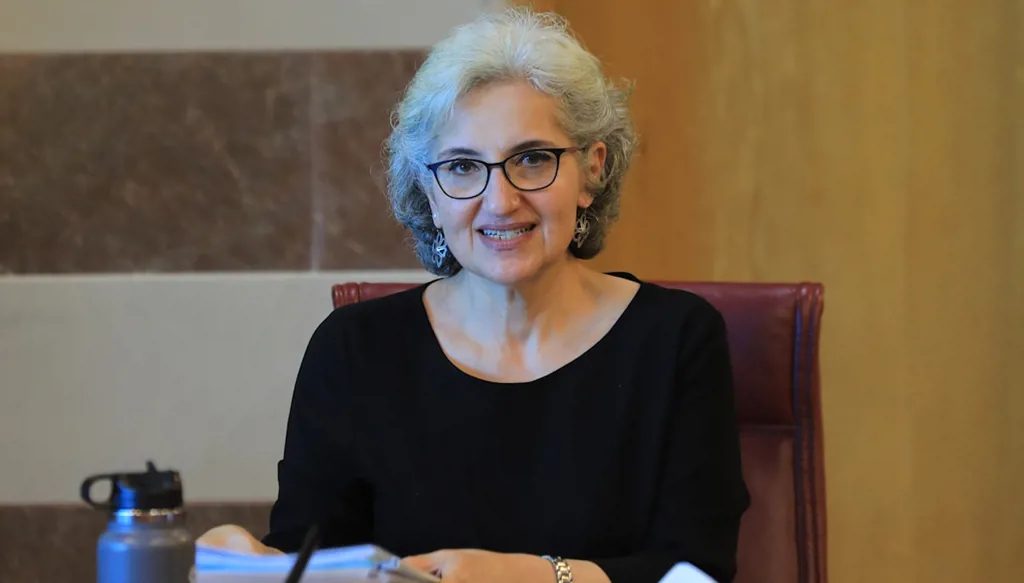
| | - 626 principals, one ceremony: Education Minister Rima Karami honored 626 public school and teacher-institute directors who finished a Lebanese University leadership course and now hold permanent posts. She noted some posts had stayed on temporary assignment for more than seven years. The next batch starts in November.
- Hezbollah's 'explosion' warning: Annahar says Hezbollah's rhetoric toward the state is sharper than in years, since the government's March 2 ban on the party's security and military activity. It warned of an "explosion" if pressure continues, after the Dahr al-Baidar explosives seizure and a pharmaceutical warehouse raid.
- Georgieva sounds upbeat: IMF chief Kristalina Georgieva said at the Bangkok annual meetings that "intensive" talks with Lebanon have made "significant progress" toward a loan program. Some work remains, she added. She voiced confidence the two sides will get there, without giving a timeline.
- Inflation eats the paycheck: France 24 reports Lebanon's slump, now in its seventh year, deepened after renewed Israel-Hezbollah fighting derailed last year's weak recovery. The World Bank forecasts the economy shrinking 6.4% this year (a contraction forecast, separate from any credit-plan estimates), with inflation around 17.5%, widening the gap between households.
- Border crossings stay shut: Lebanonfiles says the closed Arida and Dabbousiyeh crossings with Syria are piling pressure on Masnaa and Jousiyeh, with hours-long queues at peak times. Works are finished, yet rumors point to Syrian-side obstruction rather than technical reasons. The report cites no official explanation.
|
|
| ─ | Parallel Rate | 89,500 LBP | 0.00% | | ─ | Official Rate | 89,500 LBP | 0.00% | | ▼ | Gold | $4,152.9 | -0.17% | | ▼ | Bitcoin | $81,576 | -0.95% | | ▼ | S&P 500 | 7,690.73 | -0.69% |
as of 2:23 AM GMT · Source: lbprate, BDL, Yahoo Finance, CoinGecko |
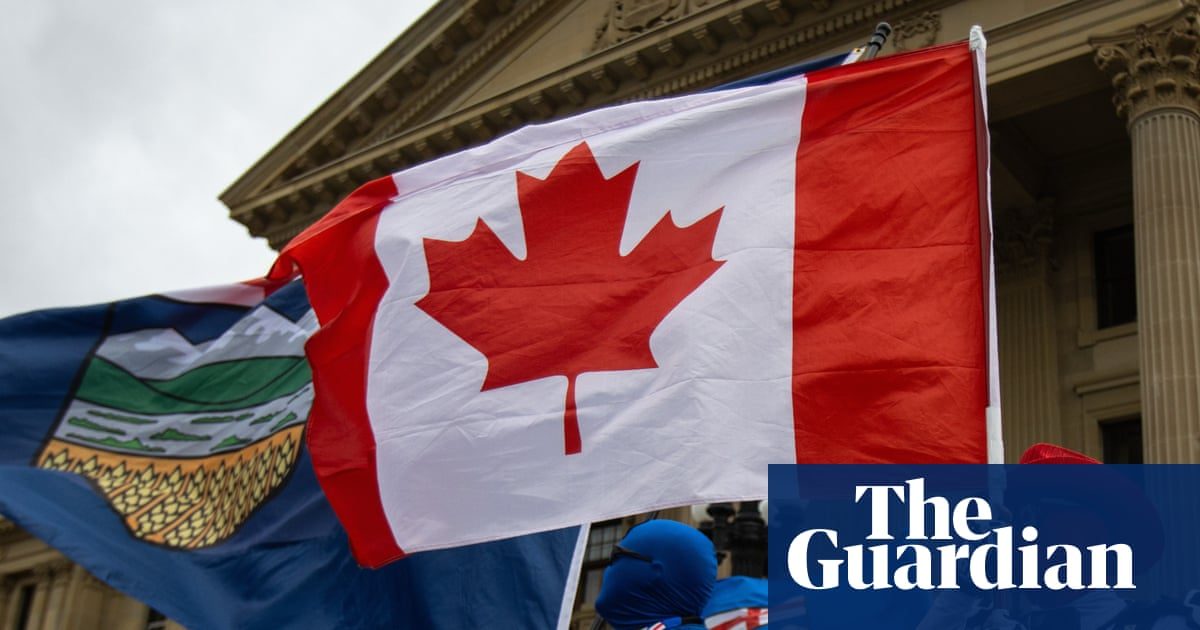
| | Alberta Votes on Staying in CanadaVoters in Alberta, Canada's oil-rich western province of about 5 million people, are deciding whether to stay in Canada or hold a second, binding independence referendum. Polls suggest the proposal will fail, though perhaps with as many as one in three voters in favor. Premier Danielle Smith called the vote under pressure from her own party, without backing independence herself. - Separatists say Ottawa short-changes Alberta financially and blocks full use of its fossil fuel reserves. Smith estimated the transition cost at about C$400 billion, plus $25 billion to $50 billion a year after, according to the Guardian.
- Prime Minister Mark Carney, who grew up in Alberta, campaigned for unity in Calgary and Edmonton. "This is not poker," he told one crowd.
- A deadly fire at CFB Wainwright, a military base, hit the province on Saturday and muted both campaigns.
- Polls opened at 9 a.m. Monday and close at 8 p.m. local time, DW reports. The ballot also carries nine other measures unrelated to separation.
What to watch: Even a losing yes vote could be read in Ottawa as pressure, since separatist leaders say a strong showing alone could win Alberta more attention. Egypt Says Its School Crisis Is Over. Do the Numbers Agree?Egypt's education minister, Mohamed Abdel Latif, announced on September 30 that his ministry had resolved problems that had persisted for thirty years: overcrowded classrooms, teacher shortages and low attendance. Daraj, the Beirut-based independent outlet, tested the claim against official and international data. It published the check alongside seven other outlets in solidarity with six detained journalists from the fact-checking platform Matsadaqsh. - The ministry cited attendance above 90% this academic year. A UNICEF-backed study put average primary class size at 41 students in 2025/2026, down from 63 two years earlier.
- Learning outcomes lag. The World Bank put "learning poverty," meaning children unable to read a simple text by age ten, at 56% in 2024, per Daraj's review.
- Funding trails the constitution. Education spending fell to 1.54% of GDP in 2025/2026 from 1.72%, per the Egyptian Initiative for Personal Rights. The constitution sets 4% of gross national product for pre-university schooling alone.
- Classroom construction dropped to 6,419 in 2023/2024 from 21,869 in 2021/2022.
Why it matters: The picture is mixed: attendance and density figures improved, while reading levels, construction and funding raise questions about how complete the fix is. A Selfie That Predicts Cancer SurvivalResearchers at Mass General Brigham, a nonprofit hospital system in Massachusetts, built AI models that estimate a cancer patient's survival from a single face photo. The work, published in Lancet Digital Health, was trained on more than 40 million facial images. The team says it could help doctors weigh how aggressive a treatment a patient can handle. - One tool, FAHR-FaceAge, estimates "biological age," meaning how old a person looks rather than their actual age. A second, FAHR-FaceSurvival, predicts survival directly from the photo.
- Among US radiotherapy patients, those who looked five or more years older than their real age had a 21% higher risk of dying over about four years of follow-up.
- Those who looked five or more years younger had a 17% lower risk.
- Smoking, heavy drinking and drug use were linked to a more aged look. Results held across lighting, pose and makeup.
The bigger picture: The researchers stress the tool should support, not replace, physician judgment, and say more research is needed before wide clinical use. |
|
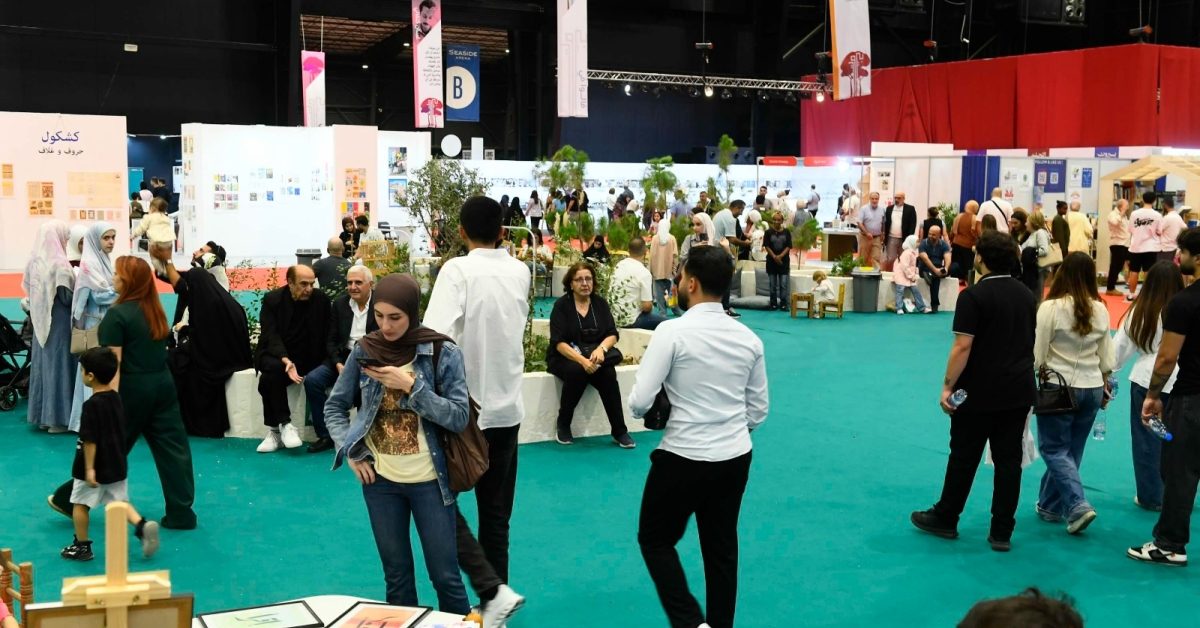
| | - Beirut's book fair bows out: The 67th Beirut Arab International Book Fair wrapped up after ten days with 100 seminars and about 500 book signings. Roughly 22,000 students visited, and organizers say attendance in the tens of thousands beat every expectation.
- Rotterdam's Olympic ticket race: More than 400 gymnasts from 84 nations are competing at the World Championships through October 25. The top three teams in each team event earn 2028 Olympic places. Great Britain's Alice Kinsella is back, 13 months after becoming a mother.
- Gallery of maqamat: The Beirut Art Center's "Made by Your Charm" show runs through October 25, with about 25 works. The show's title is a mnemonic Arabic musicians use to remember eight maqamat, the Arab world's melodic modes. A review in the independent outlet Megaphone singles out Alaa Sheikh Hassan's video "House for Dreams."
- A bookseller's big comeback: The New Yorker profiles James Daunt, the chief executive of Barnes & Noble and Waterstones, who argues the "death of reading" story is wrong. Pew found 38% of American adults read one to five books in 2025, and print sales are up nearly 25% in a decade.
|
|
That's all for Tuesday, so tonight, tell one person the best thing you read today. |
The striped hyena is the national animal. |
Lebanon news, every weekday morning. Free, sharp, ~5 minutes. |
|
|
|
|